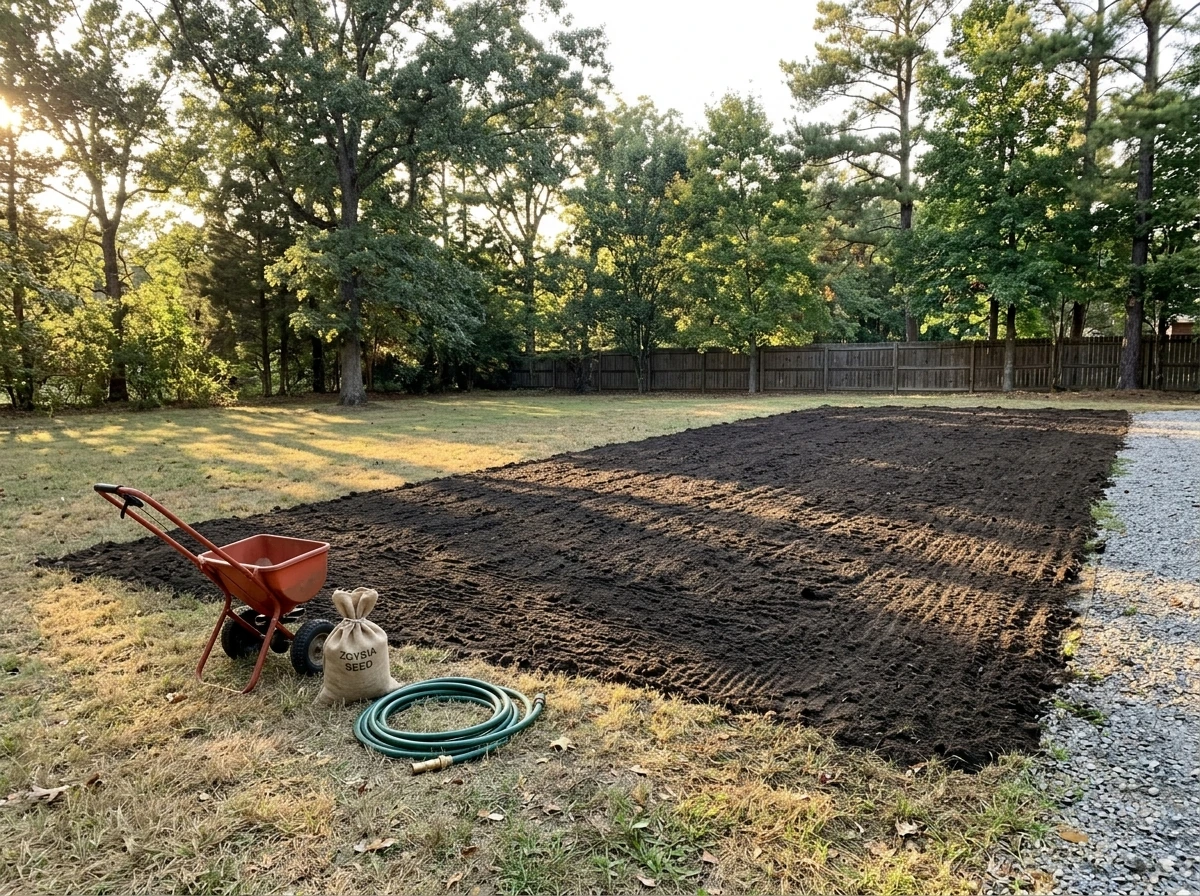
If you want a thick, dense lawn that handles heat, drought, foot traffic, and some shade without constant babying, zoysia is worth the effort. But growing it successfully comes down to timing, soil prep, and picking the right planting method for your situation. Get those three things right and zoysia will reward you with one of the toughest, best-looking warm-season lawns you can grow. Get them wrong and you'll spend a season watching your yard go nowhere. Here's exactly what to do, from the first shovel in the ground to a filled-in first-season lawn.
Zoysia Grass How to Grow: Step-by-Step Planting Guide
Marcus Tillwell
24 Mar 2026
Is Zoysia Actually Right for Your Yard?
Zoysia is a warm-season grass, which means it goes dormant (turns tan/brown) in cool weather and grows actively from late spring through early fall. It performs best in the Southeast, the transition zone, and warm parts of the Midwest and Mid-Atlantic. If you're in the far north trying to grow a year-round green lawn, zoysia isn't your answer. But if you're in USDA zones 6 through 10, it's a genuinely excellent choice.
Here's what makes zoysia stand out: it handles drought better than Kentucky bluegrass and requires less water to stay green and actively growing through summer. It tolerates moderate shade better than most warm-season grasses. It holds up well to traffic, salt exposure, and a range of soil types. The tradeoffs are that it spreads slowly (it fills in through underground rhizomes and above-ground stolons, not fast seed-based expansion), it can build up thatch over time, and its stiff leaf blades will dull your mower blade faster than softer grasses. If slow establishment is a dealbreaker, go with sod. If you're patient and budget-conscious, plugs and sprigs work fine.
One honest note on shade: zoysia tolerates shade better than bermuda, but it still wants at least 4 to 6 hours of direct sun per day. If your yard is under heavy tree canopy most of the day, even zoysia will thin out over time. In those spots, you're better off looking at fine fescue options instead.
When to Plant: Get the Timing Right First
Timing is the single most common reason zoysia establishment fails. Plant too early and cool soil temperatures will stall growth completely. Plant too late and the grass won't have enough growing season to establish roots before dormancy hits.
The general rule: plant after soil temperatures are consistently above 65 to 70 degrees Fahrenheit. In practice, that means mid-May through June for most of the transition zone and Midwest. In the Southeast and Gulf Coast, you can push into July. Purdue Extension specifically warns that planting after the first part of July in cooler climates may not give the grass enough time to fully establish before the season ends. The sweet spot for most homeowners is mid-May into June, which gives you the full warm-season window to get roots down and stolons spreading.
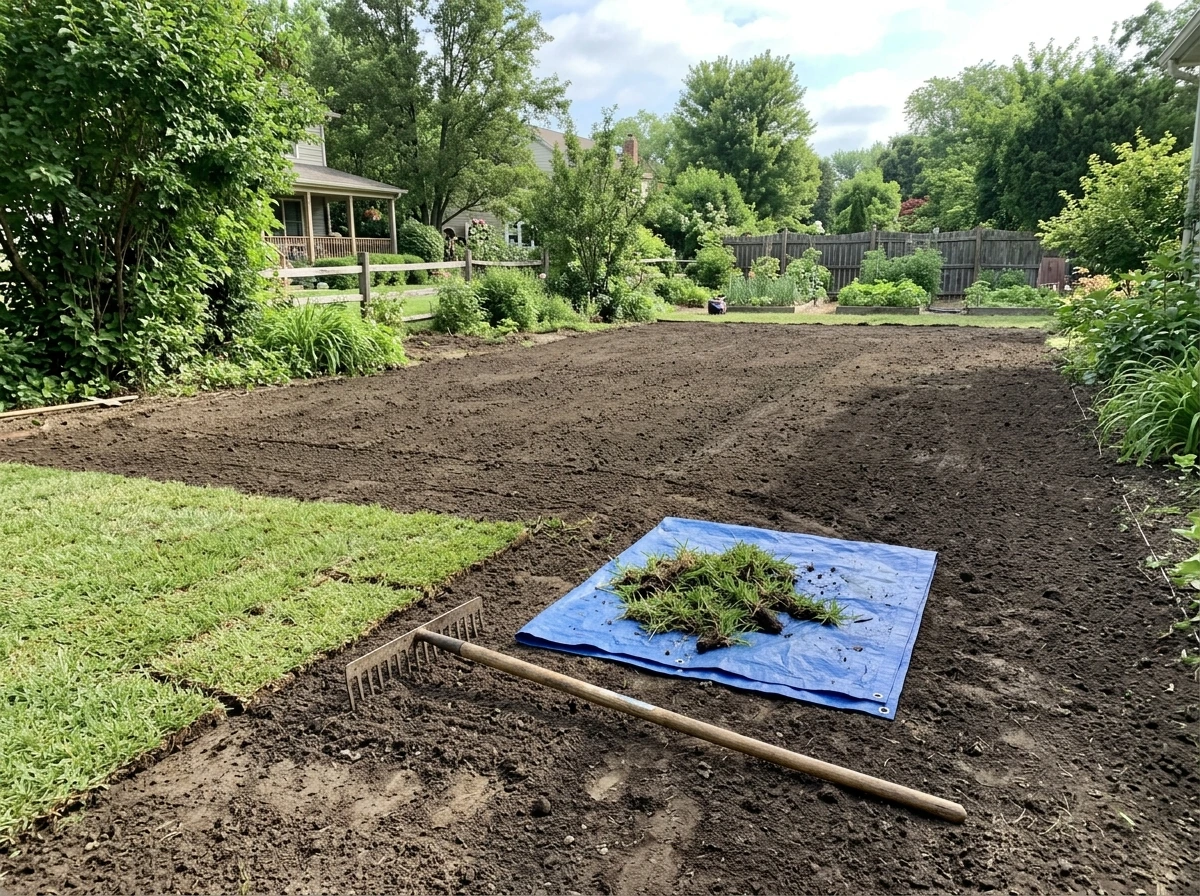
Before you plant anything, do two things: kill off any existing weeds or grass in the planting area, and get a soil test. For killing existing vegetation, glyphosate works well; give it 10 to 14 days before you do any soil work, starting with how to grow zoysia grass on existing lawn by first kill off any existing weeds or grass in the planting area. For soil testing, your local Extension office can supply instructions and sample bags. It's a small cost (often under $20) and tells you exactly what your soil needs before you spend money on fertilizer.
Choosing Your Planting Method: Sod, Plugs, Sprigs, or Seed
Zoysia is almost always planted vegetatively, meaning you're starting with living plant material rather than seed. Most zoysia varieties can't be established from seed at all, or they perform poorly when seeded. Here's how the main methods stack up:
| Method | Coverage Speed | Cost | Best For |
|---|---|---|---|
| Sod | Instant coverage | Highest | Full lawn installs, erosion-prone areas, impatient homeowners |
| Plugs | 3–18 months to fill in | Moderate | Budget-conscious installs, overseeding thin areas, DIY projects |
| Sprigs | Similar to plugs, 1 season+ | Low to moderate | Large areas, where sod isn't available |
| Seed | Slow, limited variety options | Lowest | Only specific seeded varieties; not standard for most zoysia |
Sod
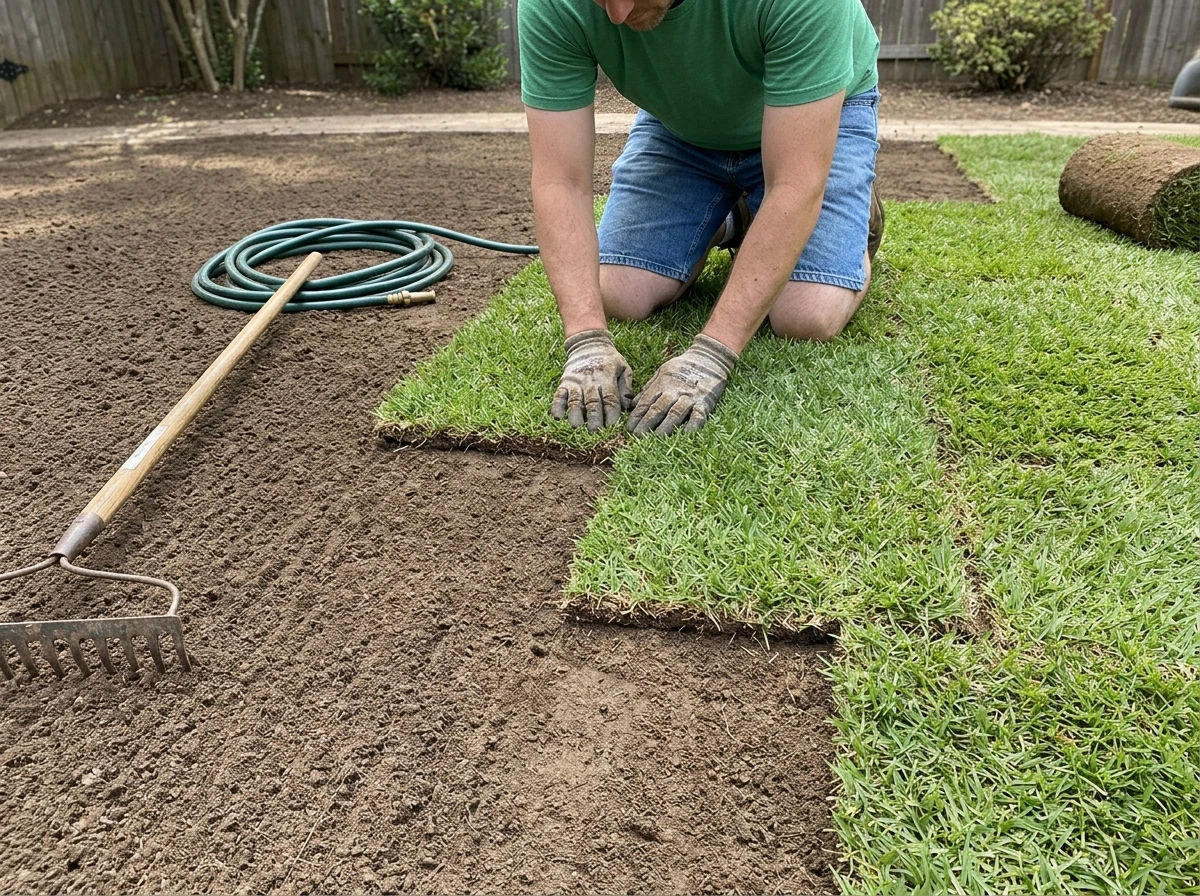
Sodding gives you an instant lawn and is the most reliable method if your budget allows it. It's the most expensive option, but you skip the months of waiting for plugs or sprigs to spread. If you're fighting erosion on a slope or you just want the lawn done, sod is worth the extra cost. Lay it on moist (not soggy) soil, stagger the seams like brickwork, and press it firmly so there are no air gaps underneath.
Plugs
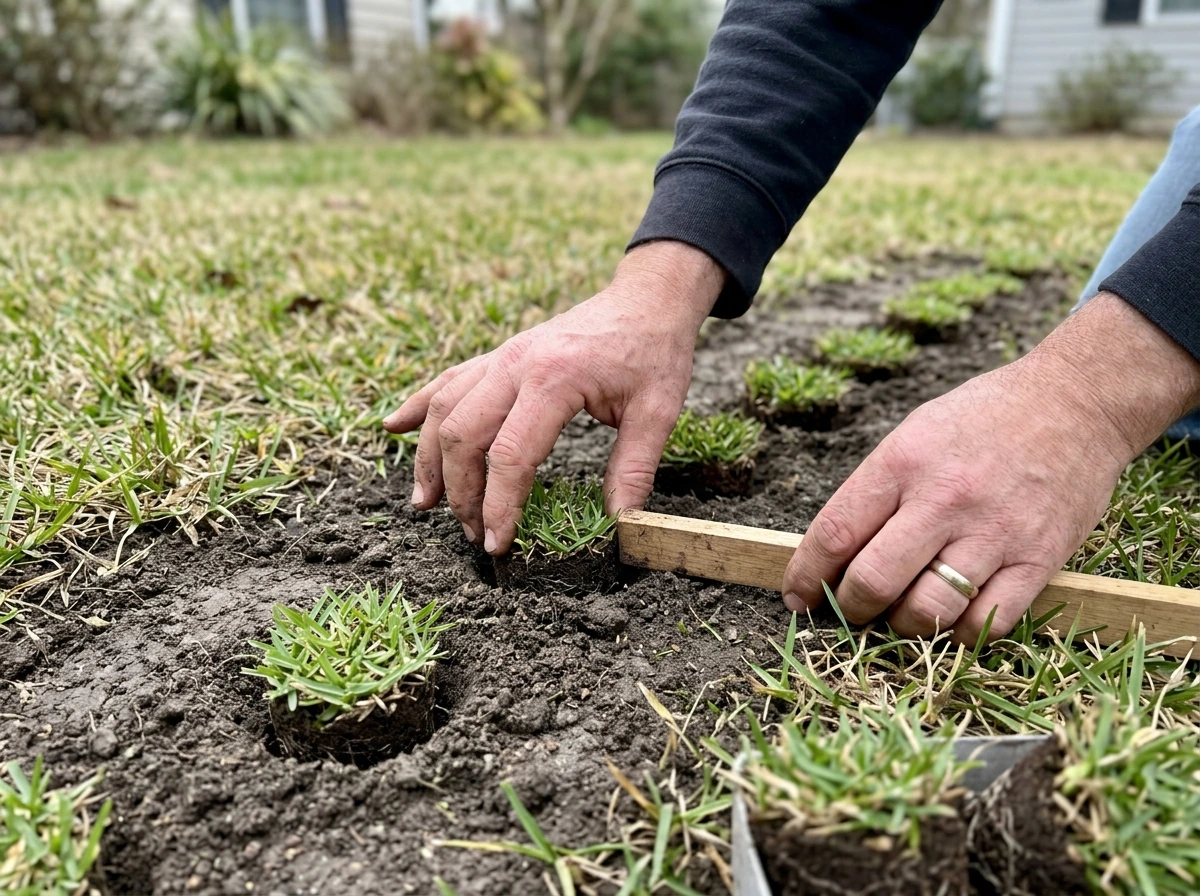
Plugs are small sections of zoysia sod, usually 2 to 4 inches across. You plant them in a grid pattern, typically 6 to 12 inches apart. Closer spacing (6 inches) means faster fill-in but more plugs and more cost. They root well and spread on their own through stolons and rhizomes, but expect it to take one full growing season or more to fill in completely. If you're interested in a detailed walkthrough specifically for this method, the guide on how to grow zoysia grass plugs covers the spacing, depth, and spacing adjustments for different soil types. how to grow grass plugs
Sprigs
Sprigs are pieces of stolon or rhizome with roots and leaves attached, but no soil. You can broadcast them across a prepared area and lightly cover them, or press them into shallow furrows. They're cheaper than plugs but slower to establish visible coverage because each sprig has to root and spread from scratch. They work well for large open areas where you want to minimize cost.
A Word on Seed
Most zoysia varieties can't be grown from seed, and the ones that can are limited. If you've come across a bag of zoysia seed, check the variety carefully. Seed-grown zoysia is typically slower to establish than vegetative methods and requires constant moisture to germinate (seeds must stay moist with daily light watering throughout germination). For most homeowners, plugs or sod will get you a better result faster. If you specifically want to explore the seed route, the article on how to grow zoysia from seed goes into much more detail on what to realistically expect.
Soil Prep: pH, Amendments, and Getting the Ground Ready
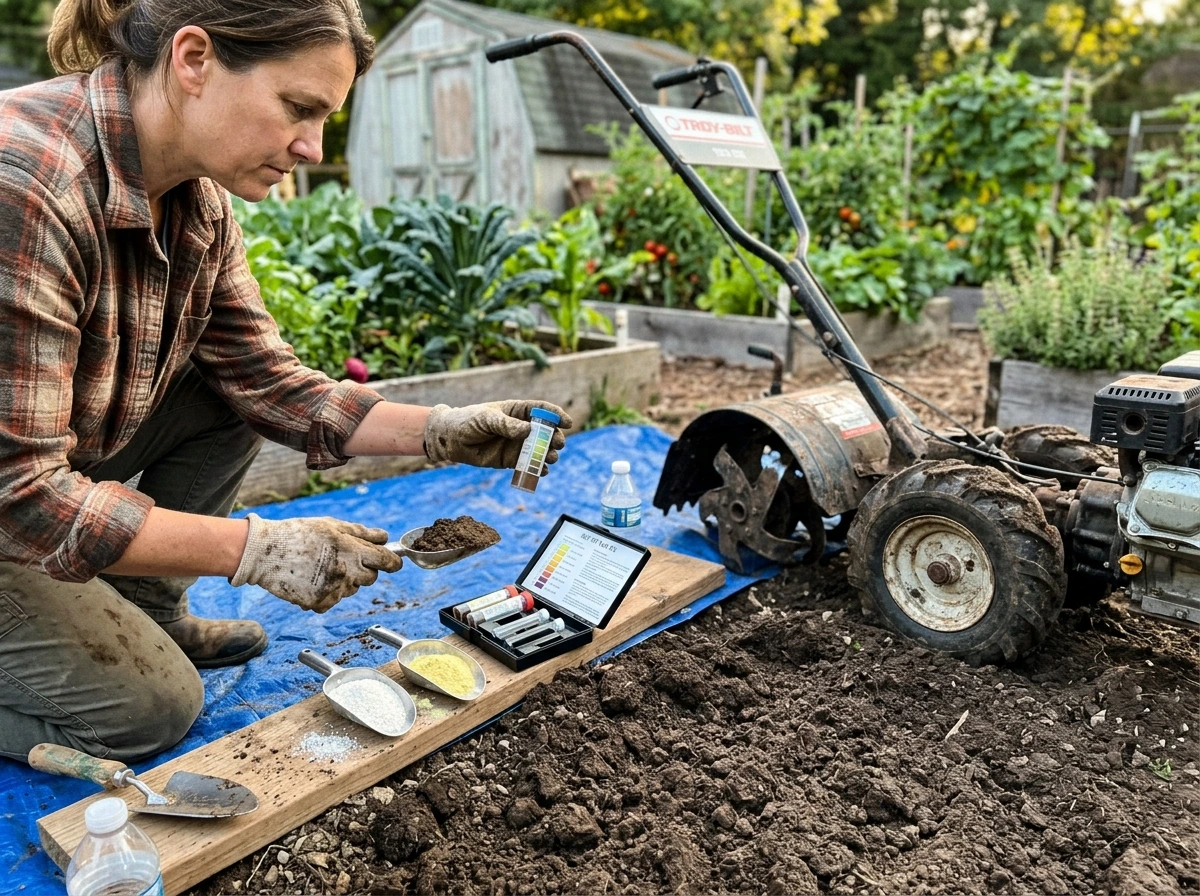
Zoysia prefers a soil pH between 6.0 and 7.0. That's slightly higher than what many other grasses want, so if you've been growing something else in that spot, don't assume the pH is already right. Your soil test will tell you where you stand. If the pH is below 6.0, apply lime per the test recommendations. If it's above 7.0, elemental sulfur can bring it down. Give amendments several weeks to work before planting if possible.
If your soil is heavy clay, loosen the top 4 to 6 inches with a tiller or garden fork and work in a 2-inch layer of compost. This improves drainage and gives roots room to spread. Clay soil stays wet longer, which can cause root rot in the first few weeks. If your soil is sandy, compost also helps by improving water retention, which matters a lot during early establishment when you're watering frequently.
After you've amended and raked the soil level, roll it lightly to firm it up. You want good contact between roots and soil, not a fluffy surface that lets air pockets form under sod or plugs. Remove any rocks, sticks, or debris that would create uneven spots.
Sunlight: plan your layout knowing zoysia needs at least 4 to 6 hours of direct sun. If you have trees that are blocking sun in a new lawn area, this is the time to evaluate whether trimming the canopy makes sense. More sun equals faster establishment and denser turf.
Watering Schedule: The First Two Weeks Are Critical
The most common mistake people make after planting is under-watering in the first two to three weeks. New roots are shallow and dry out fast. Here's the schedule that works:
Days 1 through 14 (Sod or Plugs Just Planted)
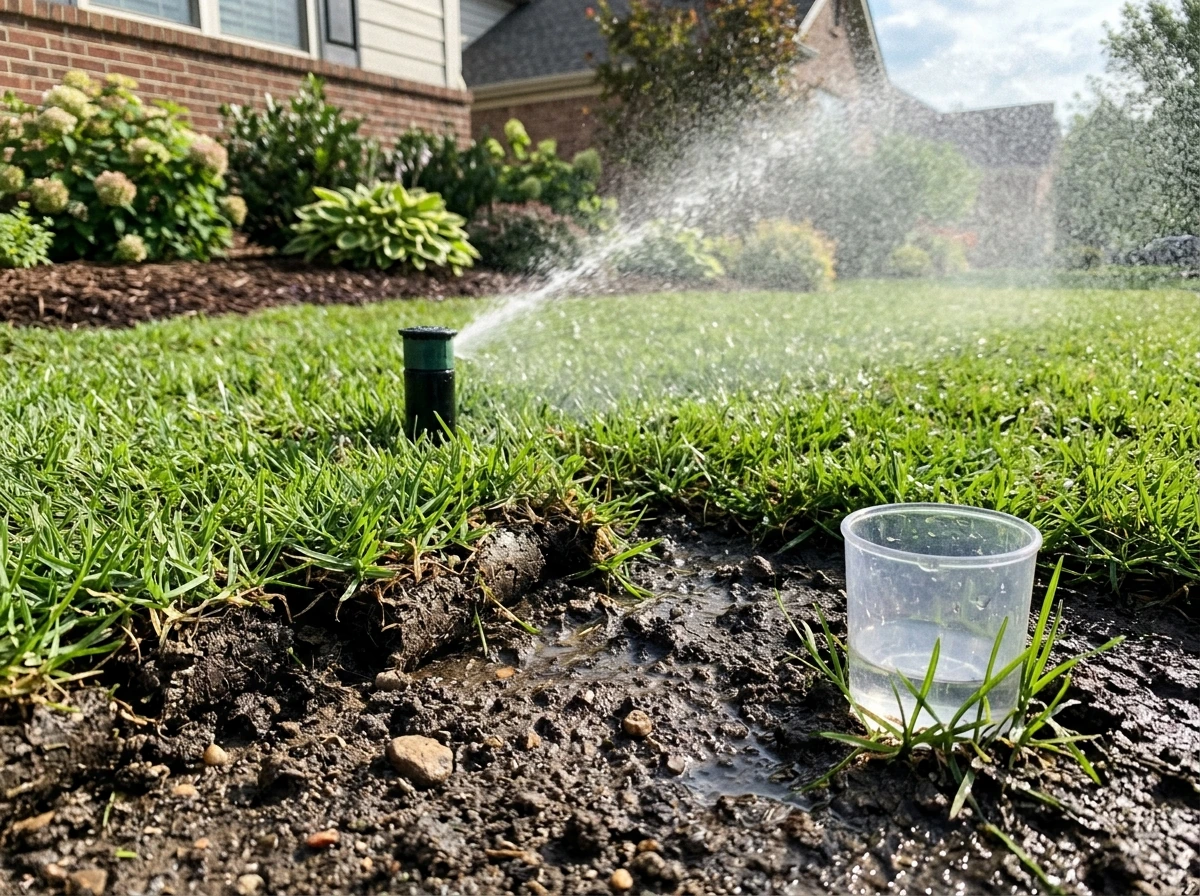
Water at least twice per day, applying about 1/4 inch of water per session. The goal is to keep the top inch of soil consistently moist, not soaking wet. During hot or dry weather, you may need 2 to 3 light waterings daily to keep the surface from drying out between sessions. For sod specifically, this twice-daily watering continues until the sod is held fast by new roots, which typically takes 2 to 3 weeks. You can check by gently trying to lift a corner of the sod: if it lifts easily, it hasn't rooted yet.
Weeks 3 and 4
Once roots start anchoring, cut back to once-daily watering and increase the duration slightly so water penetrates deeper. You're training roots to grow down, not just sit at the surface. By the end of week four, newly planted areas (sod or seed) should be moving toward a more normal watering routine.
After the First Month
Transition to as-needed watering based on what the lawn tells you. The general maintenance rate for established zoysia is 0.5 to 1 inch of water per week, which is less than most cool-season grasses need. If the entire lawn looks dry or shows footprint stress (footprints stay visible), apply 3/4 to 1 inch of water the next morning. UGA Extension's guidance is 1 inch per week if there's no rainfall, and that's a solid target for the rest of the first season.
Mowing, Fertilizing, and Weed Control in Year One
Mowing
Don't mow new zoysia until it's actively growing and has rooted in. For sod, wait at least 2 to 3 weeks. For plugs, wait until you see clear horizontal spread happening. When you do start mowing, keep the height between 1 and 2 inches. Most home lawns look best at 1.5 inches, which is also what Clemson Extension recommends for most cultivars. Never remove more than one-third of the blade height in a single mowing session. Zoysia's stiff leaves will dull your mower blade faster than softer grasses, so sharpen the blade before the season and again mid-season. A dull blade tears rather than cuts cleanly, which opens the grass up to disease and gives the lawn a brown-tipped appearance.
Fertilizing
In the first season, the goal is to fuel spread and rooting, not to push excessive top growth. For vegetatively planted zoysia, apply light nitrogen applications of about 1 pound of actual nitrogen per 1,000 square feet every four weeks during the active growing season (roughly May through August). Don't fertilize before the grass is actively growing or after it starts going into dormancy in late summer or fall. That's asking for winterkill on tender new growth. For established lawns in subsequent years, a total of 1 to 2 pounds of nitrogen per 1,000 square feet per year is the right range, split across the growing season.
Weed Control
Weeds are the biggest threat to first-year zoysia. Summer weeds directly compete with and physically block newly forming stolons. Your best defense is to keep bare soil covered (either with plugs spaced close enough or a light layer of straw mulch between plugs) and to pull weeds by hand in the first season if possible. Pre-emergent herbicides are an option for preventing weed seed germination, but time them carefully: applying a pre-emergent right before planting plugs or sprigs will also inhibit your new grass. In general, wait until zoysia is actively spreading before applying any pre-emergent. Post-emergent herbicides designed for warm-season grasses can be used on labeled weeds, but always check the label to confirm the product is safe for zoysia and that your grass is past the early establishment window.
Troubleshooting: Slow Spread, Bare Spots, and Thin Areas
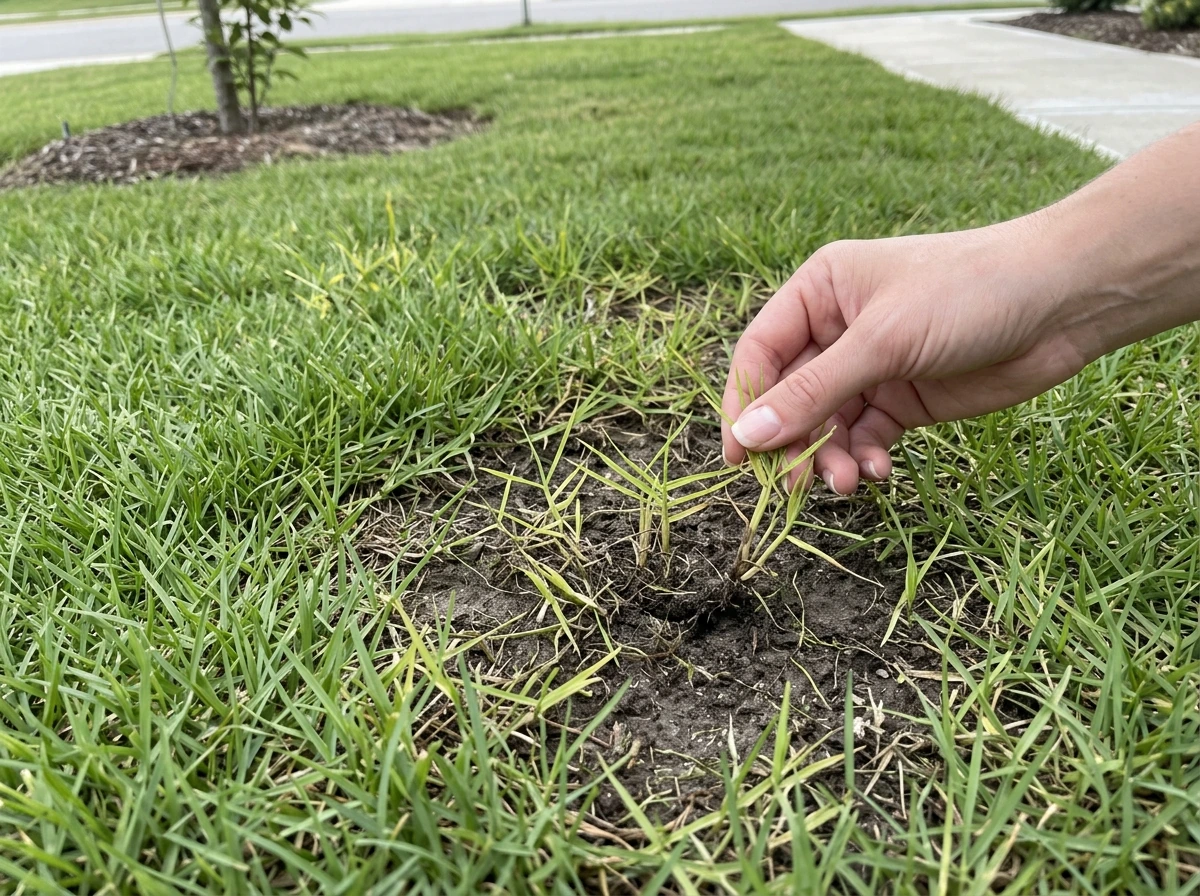
Even when you do everything right, problems show up. Here are the most common ones and what to actually do about them:
- Plugs aren't spreading after 6 to 8 weeks: The most likely causes are inadequate watering, too much shade, or soil pH that's off. Check your watering schedule first, confirm you're getting at least 4 to 6 hours of sun in that area, and if you haven't tested your pH, do it now. Plugs in heavy clay can also struggle if the soil wasn't loosened before planting.
- Bare spots between plugs: This is normal in the first season. Don't panic. Zoysia fills in laterally over time. If the bare soil is getting weedy, hand-pull the weeds and consider filling in the worst spots with additional plugs in the next planting window.
- Sod sections turning brown after installation: First, check whether it's actually dead or just dormant/stressed. Tug on a corner: if it resists, the roots are there. Brown color can happen from heat stress or uneven watering. Make sure low spots aren't staying waterlogged and high spots aren't drying out between waterings.
- Uneven coverage or thinning areas mid-season: Usually a sign of uneven watering, compaction, or thatch beginning to build. Check your sprinkler coverage with a few tuna cans set out during a watering cycle to see if some areas are getting significantly less water.
- Thatch building up: Zoysia naturally accumulates thatch (the layer of dead organic material between the soil and the grass blades). In the first season this shouldn't be a problem, but if you're maintaining an older zoysia lawn and notice the thatch layer exceeding about 1 inch, plan a dethatching in late spring before the growing season.
- Slow fill-in overall: Zoysia is genuinely slow. If you planted plugs at 12-inch spacing, expect it to take a full growing season or even two for complete coverage. Reduce spacing to 6 inches for faster fill-in. You can also overseed bare areas with compatible material or add more plugs. For specific strategies on speeding up the process, the article on how to make zoysia grass grow faster has targeted tips.
Your First-Season Checklist and Schedule
Here's a practical timeline to keep things organized from prep through the end of your first growing season:
- 4 to 6 weeks before planting: Get a soil test. Kill existing weeds or grass with glyphosate and wait 10 to 14 days before tilling.
- 2 to 4 weeks before planting: Amend soil based on test results (lime, sulfur, compost). Till to 4 to 6 inches, rake level, and roll firm.
- Mid-May through June (optimal planting window): Install sod, plugs, or sprigs. Water in immediately.
- Days 1 to 14 post-planting: Water twice daily, about 1/4 inch per session. Keep the soil surface consistently moist.
- Weeks 3 to 4: Reduce to once-daily watering, increase duration to push roots deeper.
- After week 4: Water as needed, targeting 1 inch per week with no rainfall.
- First mow: Wait until roots are established (2 to 3 weeks for sod, until spread is visible for plugs). Mow to 1.5 inches.
- Fertilize every 4 weeks from active growth through August: 1 pound actual nitrogen per 1,000 square feet per application.
- Weed patrol: Hand-pull weeds consistently through the first season. Hold off on pre-emergent until grass is actively spreading.
- End of season: Evaluate coverage, note thin spots to address with additional plugs next spring, and plan for dethatching if thatch is building up.
Zoysia is one of those grasses that tests your patience early and rewards you later. If you put in the prep work, plant at the right time, and nail the first two weeks of watering, you're well ahead of most people who struggle with it. The spread will feel slow through the first season, but by year two you'll have a thick, dense lawn that basically takes care of itself through summer heat and drought.
FAQ
What should I do if temperatures are borderline warm when I plant zoysia
In spring or early summer, zoysia is easiest to establish if soil is consistently warm, but you can still fail if there is cold snaps right after planting. If nighttime temperatures are dropping into the 50s for more than a few nights, expect slower rooting, and plan on keeping moisture more consistent (not soggy) during those cool periods. Avoid planting as soon as daytime temps look warm if nights are still cool.
How do I know when to stop the twice-daily watering schedule
For plugs and sprigs, the fastest rooting usually happens when the crowns stay in contact with soil and the surface does not dry out. A practical check is to tug very gently after about 2 weeks, if you can lift material easily, roots are not anchored yet. Also look for new green growth at plug/sprig tips, then transition from twice-daily light watering to once daily only when the rooting check is positive.
My zoysia looks thin after planting, how can I troubleshoot before replanting
If you watered enough at first but the area still looks thin, the cause is often low light or competition from weeds, not a lack of fertilizer. Recheck sun hours (zoysia needs about 4 to 6 hours of direct sun) and inspect for stolons being blocked by weeds. If light and weeds look good, wait until after the first growing season before overcorrecting, because zoysia can look disappointing early even when it is rooting normally.
Can I use herbicides on new zoysia plugs or sprigs to control weeds
Yes, but timing and product selectivity matter. Pre-emergent herbicides can prevent new grass from emerging or rooting if applied too early, so wait until zoysia is actively spreading and labeled for use during your establishment stage. For post-emergent control, only spot-treat labeled warm-season weeds and confirm the product is safe for your cultivar and current growth stage to avoid burn or thinning.
What if my yard has poor drainage or puddles after watering
If your lawn has low spots, the main risk during establishment is water pooling, which can cause rot before roots anchor. Fix the grade before planting if possible, or at least remove mounds and fill depressions so water drains rather than sits. Lightly rolling can firm the surface for root contact, but it should not leave puddling areas that take hours to drain after a watering.
Can I topdress with compost or soil during the first season
Avoid heavy topdressing right away, because adding too much compost or soil over plugs and sprigs can reduce sun contact and delay rooting. If you must correct minor roughness, apply a very thin layer (just enough to smooth), and keep amendments near the surface so stolons and leaves can still spread and photosynthesize. For significant grading needs, do it before planting.
When is it safe to mow newly planted zoysia plugs or sprigs
A common mistake is mowing too early, which can remove the limited leaf area needed for rooting and stolon spread. For plugs, wait until you clearly see horizontal spread and the turf looks anchored, then mow to about 1 to 2 inches, never cutting off more than one-third in a single pass. Also set mower height high at first, then bring it down gradually as the lawn thickens.
How can I tell whether I am overwatering or underwatering
Too little watering often shows up as failure of plugs and sprigs to green up, while too much can lead to mushy soil and rooting problems. If soil stays wet and spongy, reduce watering frequency, aim to keep the top inch moist rather than soaked, and improve airflow or drainage if the area is compacted. Use small screwdriver-depth checks, if the top inch is wet and cool, skip the next session until it dries slightly.
What mower setup helps prevent damage during establishment
Sharpening is important, because zoysia’s stiff blades tear more easily with a dull mower blade. Clean the underside of the mower deck before mowing new turf to reduce clumps that can smother small growing points. If you see brown tips or ragged cuts, pause and sharpen, then resume at the correct height.
Can I walk on newly planted zoysia or park on it
Zoysia can be salted and traffic-tolerant, but establishment is more sensitive to repeated stress. If you have to use the area before it roots, limit foot traffic, keep vehicles off, and avoid placing heavy objects that can create bare spots that weeds will reclaim. For the first few weeks, treat the lawn like a rooting bed, not like an established turf area.
How do I transition from an existing lawn, and when can I stop worrying about competition
If you are switching from another grass, first kill existing vegetation thoroughly and give it time to die back before soil work, otherwise you can end up with thatch and roots competing for moisture. After the first growing season, you still may see weed flushes because disturbed soil brings seeds, so prioritize pre-emergent timing for future seasons once zoysia is actively spreading and fully established per label guidance.
Next Article
How to Grow Zoysia From Seed: Step-by-Step Guide
Step-by-step on how to grow zoysia from seed, with timing, site prep, watering, seeding depth, troubleshooting, and time