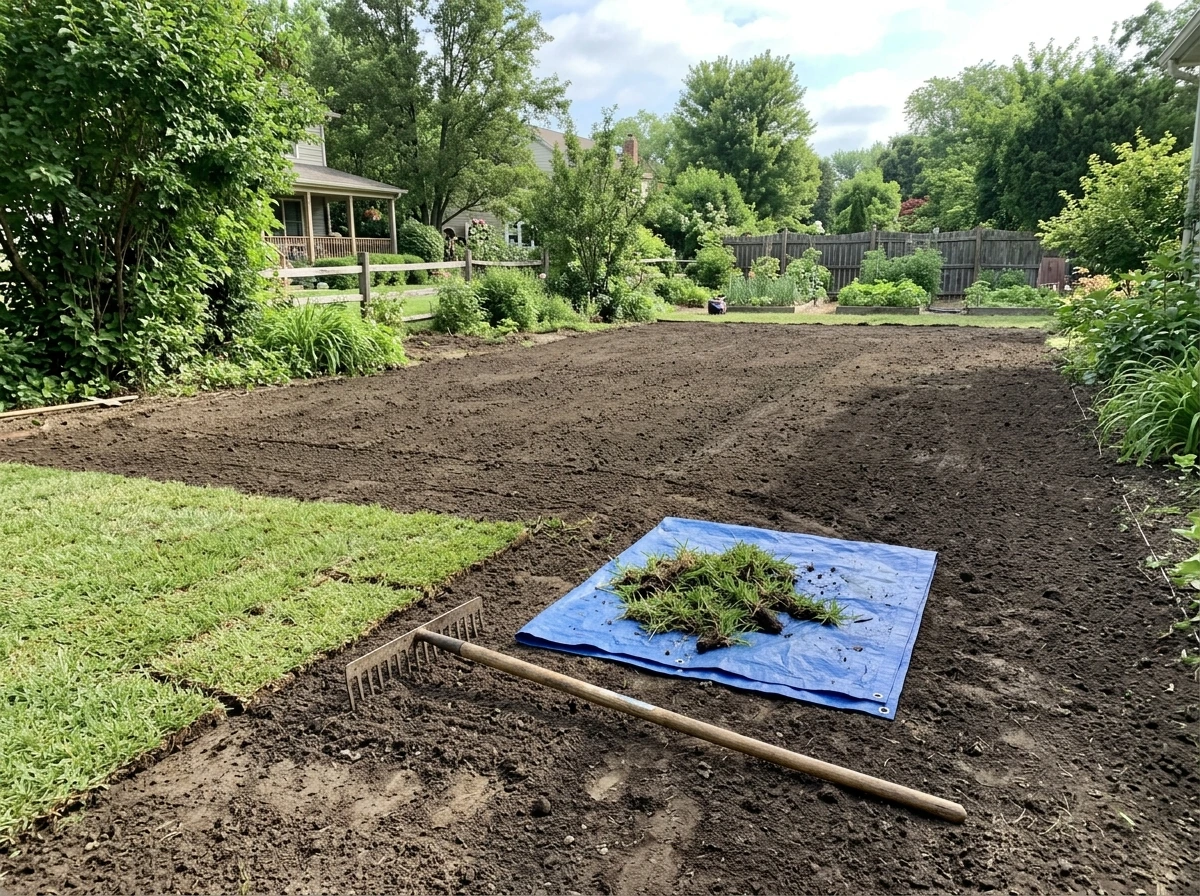
Zoysia is one of the best warm-season grasses you can grow, but only if it matches your yard and your climate. The exact steps to grow it successfully depend on three things: whether zoysia is actually right for your site, which establishment method you're using (seed, plugs, or sod), and whether your timing lines up with the growing season. Get those three things right and zoysia almost takes care of itself. Get them wrong and you'll be staring at patchy, slow-spreading grass for two years wondering what happened. This guide walks you through every stage so you can start today with a clear plan.
How to Grow Zoysia Grass: Step-by-Step Guide for Success
Marcus Tillwell
24 Mar 2026
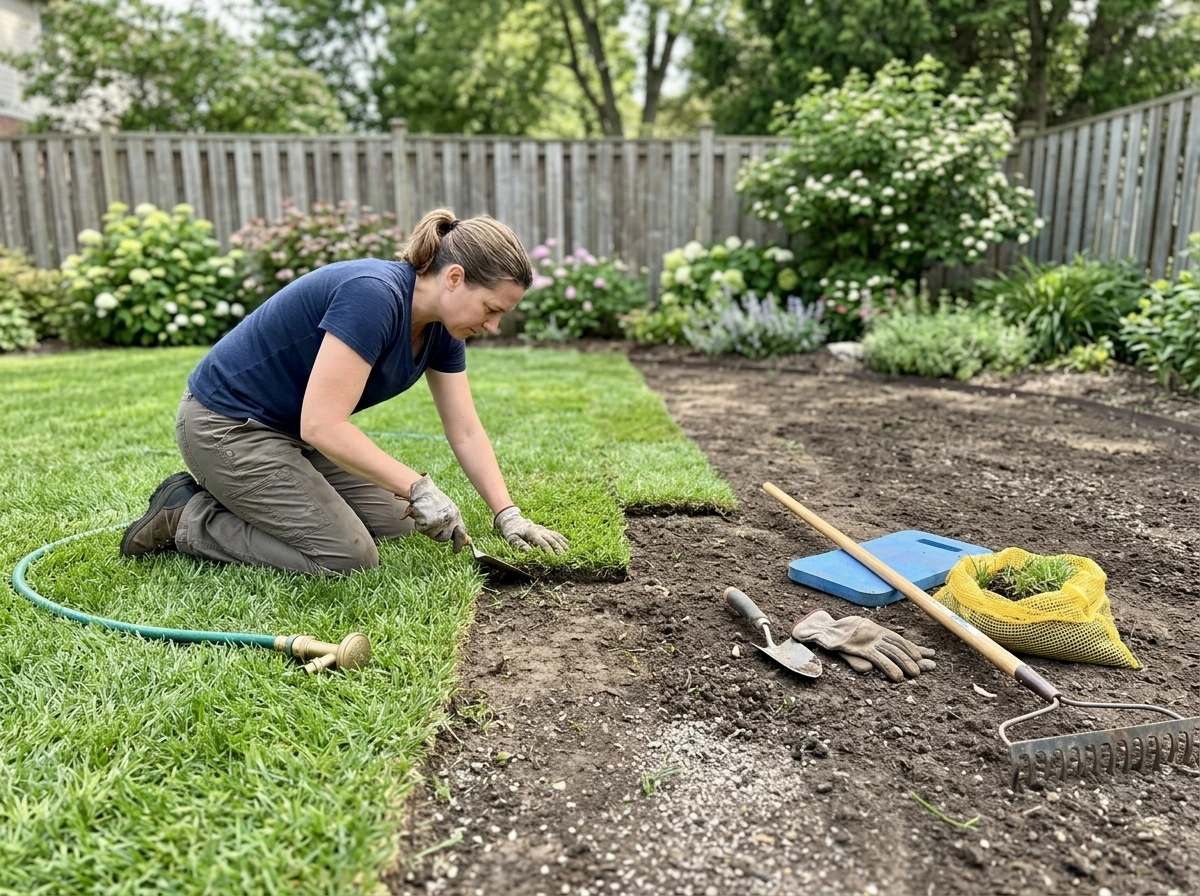
Is Zoysia Actually the Right Grass for Your Yard?
Zoysia thrives in the transition zone and warm southern climates, roughly from the Carolinas and Virginia down through the Gulf Coast and across to Texas and California's Central Valley. If you're in the upper Midwest or New England, stop here and look at fescue or bluegrass instead. Zoysia is a warm-season grass, meaning it goes dormant and turns brown in winter, which is a dealbreaker for some homeowners even in zones where it technically survives.
Sun is the other big factor. Zoysia needs at least 6 hours of direct sun daily to perform well. Some varieties tolerate light shade better than others, but if your yard is mostly shaded by mature trees, zoysia is going to thin out and struggle. It's a mistake I've seen homeowners make repeatedly: they pick zoysia because they love the dense, carpet-like texture, but their yard just doesn't have the sun to support it.
Here's a quick honest checklist to decide if zoysia fits your situation:
- You're in USDA hardiness zones 6 through 11 (the transition zone through the deep South)
- Your lawn gets 6 or more hours of direct sun each day
- You're okay with a brown, dormant lawn from late fall through early spring
- You want a dense, low-maintenance lawn once it's established (zoysia crowds out most weeds naturally)
- You're not trying to establish grass fast for a quick fix (zoysia is slow, especially from seed or plugs)
- You don't have a yard that's constantly wet or poorly drained (zoysia is drought-tolerant but not flood-tolerant)
If most of those fit, zoysia is a great long-term choice. If you need a fast green lawn or you're in a colder region, you'll save yourself a lot of frustration by picking a different grass type.
Pick the Right Zoysia Variety and Decide How You'll Plant It
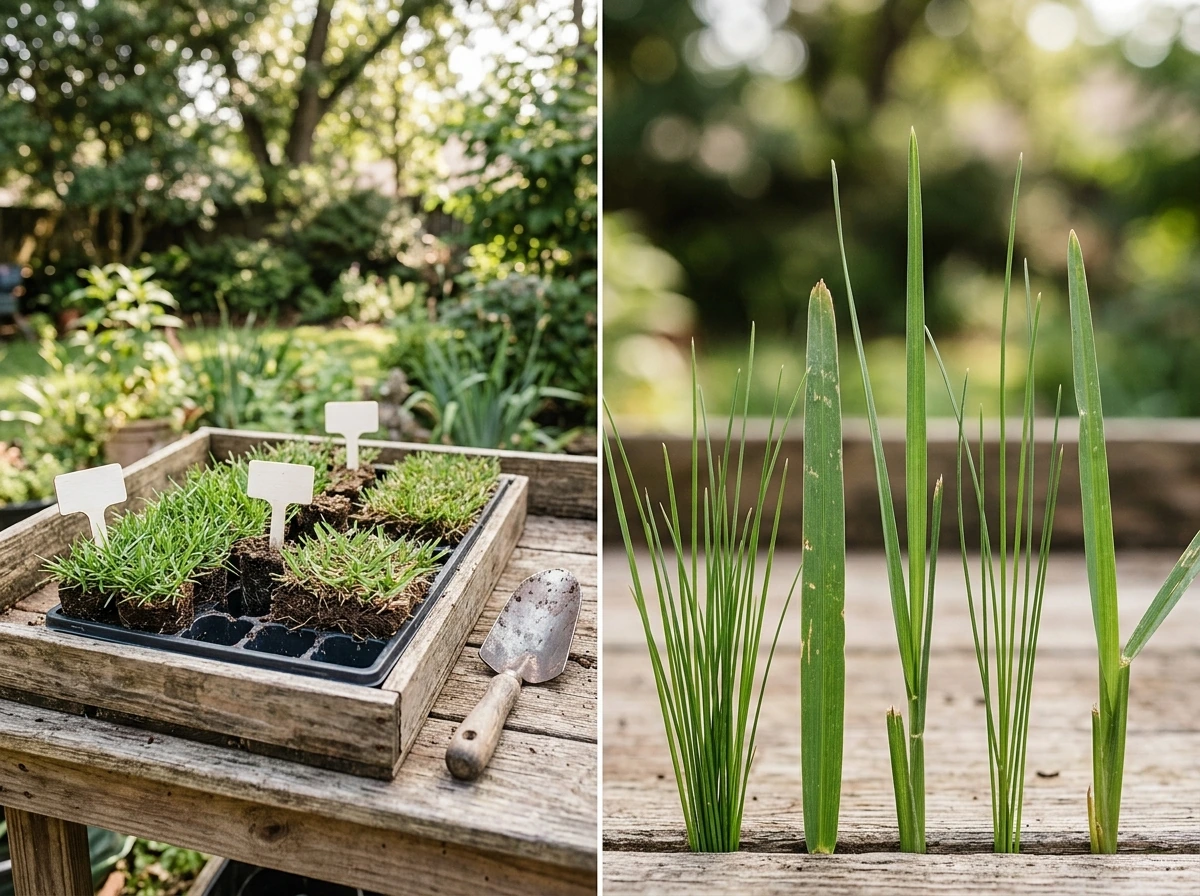
Which variety makes sense for your lawn
There are several zoysia varieties available to homeowners, and they differ in texture, shade tolerance, and cold hardiness. Here's a practical comparison:
| Variety | Texture | Shade Tolerance | Cold Hardiness | Best For |
|---|---|---|---|---|
| Zenith | Medium | Low–Moderate | Good | Homeowners seeding from seed; transition zone |
| Meyer (Z-52) | Medium | Moderate | Good | Transition zone; plugs or sod; classic choice |
| Emerald | Fine | Moderate–Good | Moderate | Southeast; fine-textured lawns; plugs or sod |
| Empire | Medium-coarse | Moderate | Good | Southeast/Texas; sod; low maintenance |
| Zeon | Fine | Good | Moderate | Shade situations; fine texture; sod or plugs |
For most homeowners in the transition zone, Meyer or Zenith is the practical starting point. Zenith is one of the few varieties you can reliably grow from seed. Emerald and Zeon are beautiful but usually only available as sod or plugs and cost more. Empire is popular in the South because it establishes quickly from sod and handles drought well.
Seed vs. plugs vs. sod: what actually makes sense
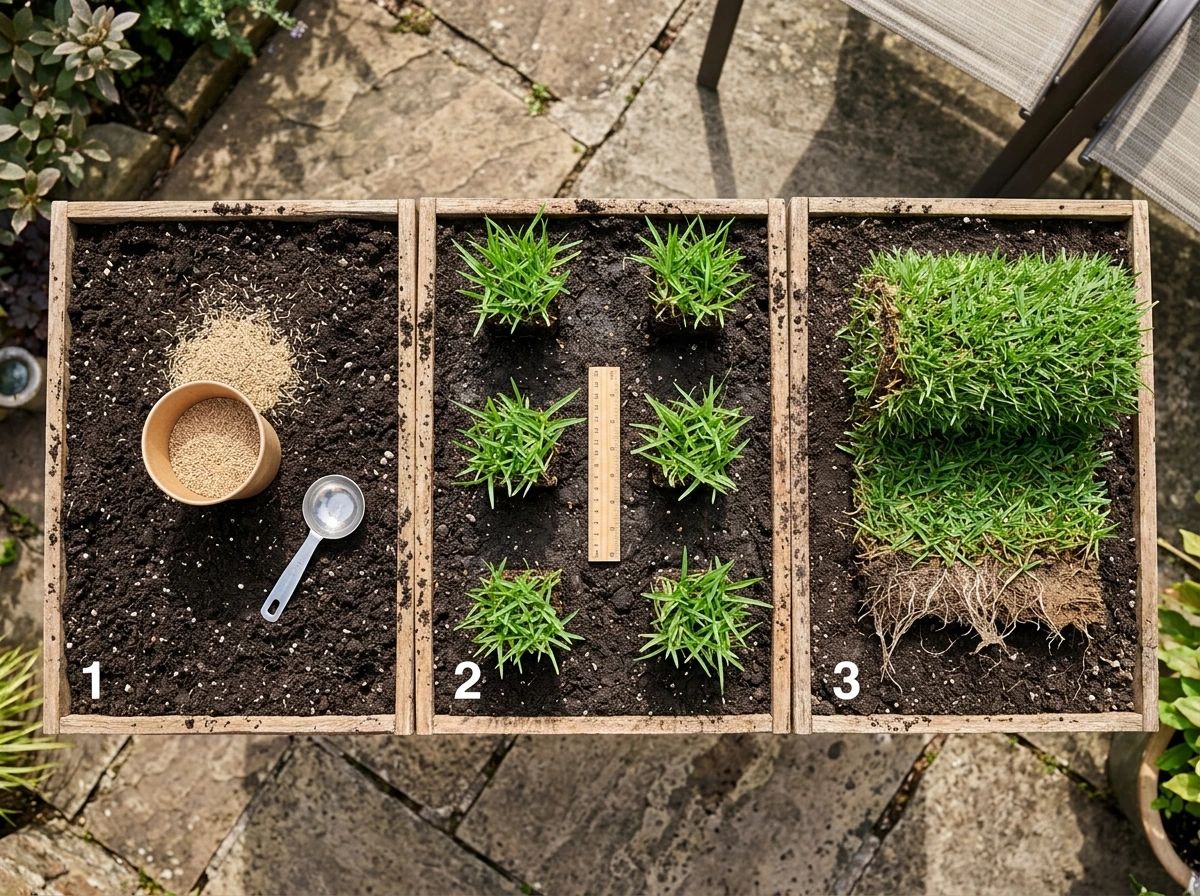
This is the decision that most affects your timeline, your budget, and how much work you're signing up for. There's no universally right answer, but here's the honest breakdown:
| Method | Cost | Time to Full Coverage | Difficulty | Best Situation |
|---|---|---|---|---|
| Seed | Lowest | 2–3 seasons | High (variable germination) | Budget-conscious; small lawns; Zenith variety only |
| Plugs | Low–Moderate | 1–2 seasons | Moderate | Established homeowners willing to wait; large areas on a budget |
| Sod | Highest | 4–8 weeks to root; nearly instant look | Low | Fast results needed; budget allows it; any variety |
Seed is the slowest and trickiest option. Zoysia germinates slowly and unevenly, and it's genuinely difficult to get consistent results. But if you're patient and you're working with Zenith, it can work. Plugs are the middle ground and honestly a great DIY option if you're covering a large area on a budget. Sod is the easiest path to a good-looking lawn quickly, but you're paying a significant premium. If fast results matter, spend the money on sod.
Prep Your Site Before You Plant Anything
Skipping site prep is the single biggest reason zoysia lawns fail or take forever to fill in. This step is not optional and it's worth spending as much time here as on the planting itself.
Soil test first, always
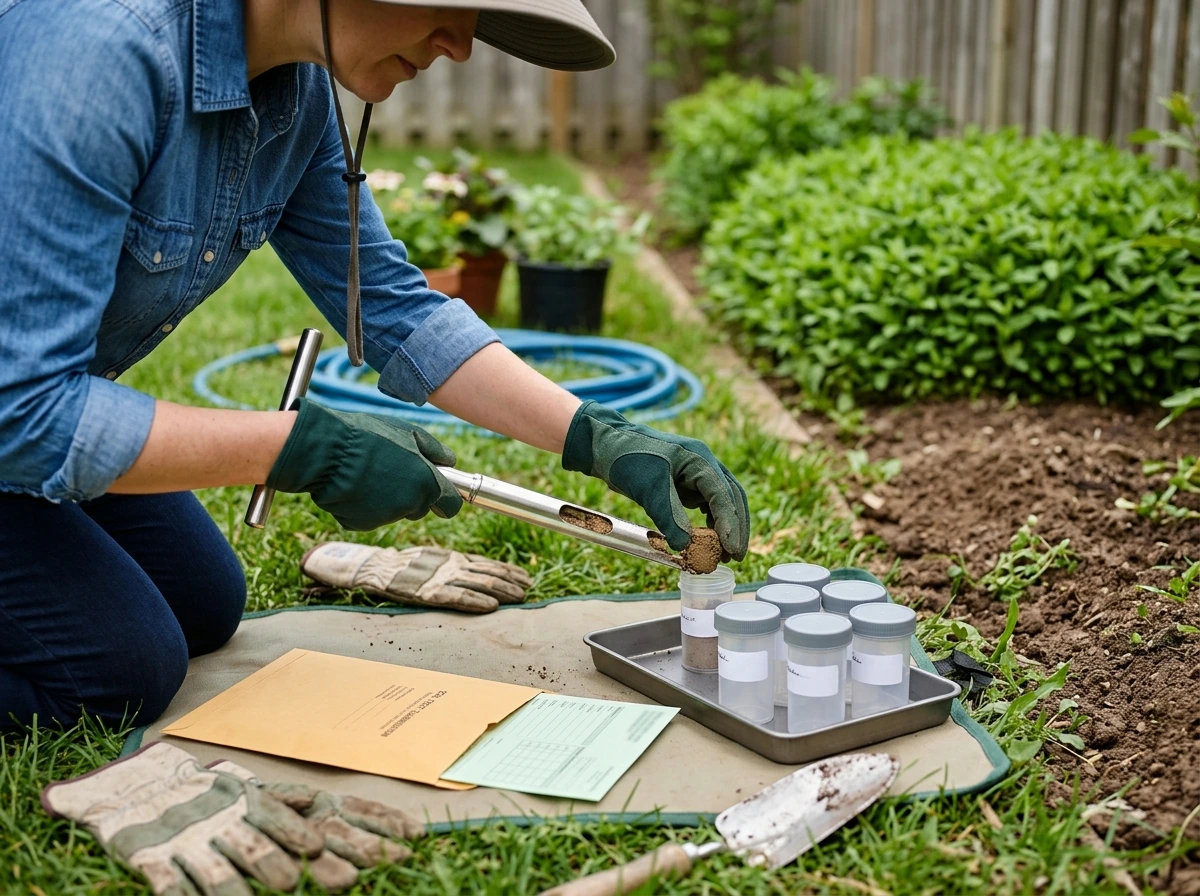
Get a soil test through your local cooperative extension office before you do anything else. It costs $10–20 and tells you exactly what your soil is missing. Zoysia performs best in slightly acidic soil with a pH between 6.0 and 6.5. If your pH is off, lime (to raise pH) or sulfur (to lower it) won't work overnight, so you need to amend before planting, not after. A soil test also tells you if you're deficient in phosphorus or potassium, which matters for your starter fertilizer choice.
Deal with drainage and grading
Zoysia does not like wet feet. If you have low spots where water pools after rain, you need to address them before planting. For clay soil, topdressing with a thin layer of compost (about a quarter inch) worked into the top few inches helps break up compaction and improve drainage. For sandy soil, the same approach adds organic matter and helps hold moisture during the critical establishment phase. If you have serious drainage problems, consider French drains or regrading before investing in zoysia. A beautiful installation on top of a poorly drained site will thin out and develop disease within a season.
Kill existing weeds and remove old turf
If you're starting a new lawn or renovating an existing lawn, kill off existing weeds and grass completely. A non-selective herbicide applied 2 to 3 weeks before planting gives you a clean slate. Wait the full label time before planting so residues break down. If you're installing sod, you can also smother existing grass with cardboard and several inches of compost, but the herbicide method is faster and more reliable. After killing off old growth, rake or dethatch aggressively to remove dead material. Planting into a thick layer of thatch is a guaranteed path to poor results.
Final surface prep
Till or loosen the top 4 to 6 inches of soil if it's compacted. Rake the surface smooth, breaking up clods and removing rocks. A level surface matters most for sod (lumps create uneven mowing and dead spots) but it also helps plugs root evenly. If you amended pH or added compost, work it into that top layer before you finalize your grade.
How to Plant Zoysia: Step-by-Step for Each Method
Timing: when to plant in your region
All three establishment methods share the same timing window: late spring to early summer, after soil temperatures have consistently reached 65 to 70 degrees Fahrenheit. For most of the transition zone (Missouri, Virginia, North Carolina), that's mid-May through June. In the deep South (Georgia, Alabama, Texas), you can often start in late April. In Texas specifically, spring and early summer are the recommended planting seasons for both seeding and plug installation. Do not plant in fall, no matter what the marketing on a bag of zoysia seed says. Zoysia planted in fall rarely has enough time to establish before dormancy, and you lose the entire season.
Planting from seed
- Apply a starter fertilizer based on your soil test results, or use a balanced phosphorus-containing product if you have no test results
- Broadcast seed at 1 to 2 pounds per 1,000 square feet, using a rotary spreader for even coverage
- Lightly rake the seed into the top quarter inch of soil, or use a lawn roller to press seed into contact with the soil (seed-to-soil contact is critical)
- Water lightly 2 to 3 times per day to keep the seed bed moist, but not soaked, until germination occurs (typically 14 to 21 days)
- Once seedlings are visible, taper watering to once daily and then gradually to every other day as roots develop
- Expect germination to be patchy and slow; fill gaps in fall or the following spring rather than overseeding immediately
Planting plugs
- Purchase plugs or cut them from sod pieces into 2- to 3-inch sections
- Use a plug tool or bulb planter to dig holes across your planting area
- Space plugs 6 to 12 inches apart in a grid pattern; 6-inch spacing fills in about twice as fast but costs more
- Press each plug firmly into its hole so the crown is level with the soil surface and no air pockets remain under the roots
- Water immediately after planting and keep plugs moist for the first 2 to 3 weeks by watering lightly every day (do not let plugs dry out during this window)
- After week three, transition to deep, less frequent watering to encourage roots to go deeper
The most common plug failure I see is letting plugs dry out in the first two weeks. They look alive for a while, but they're not rooting, and by the time they look dead it's too late. Keep them consistently moist and you'll see new growth within 3 to 4 weeks.
Installing sod
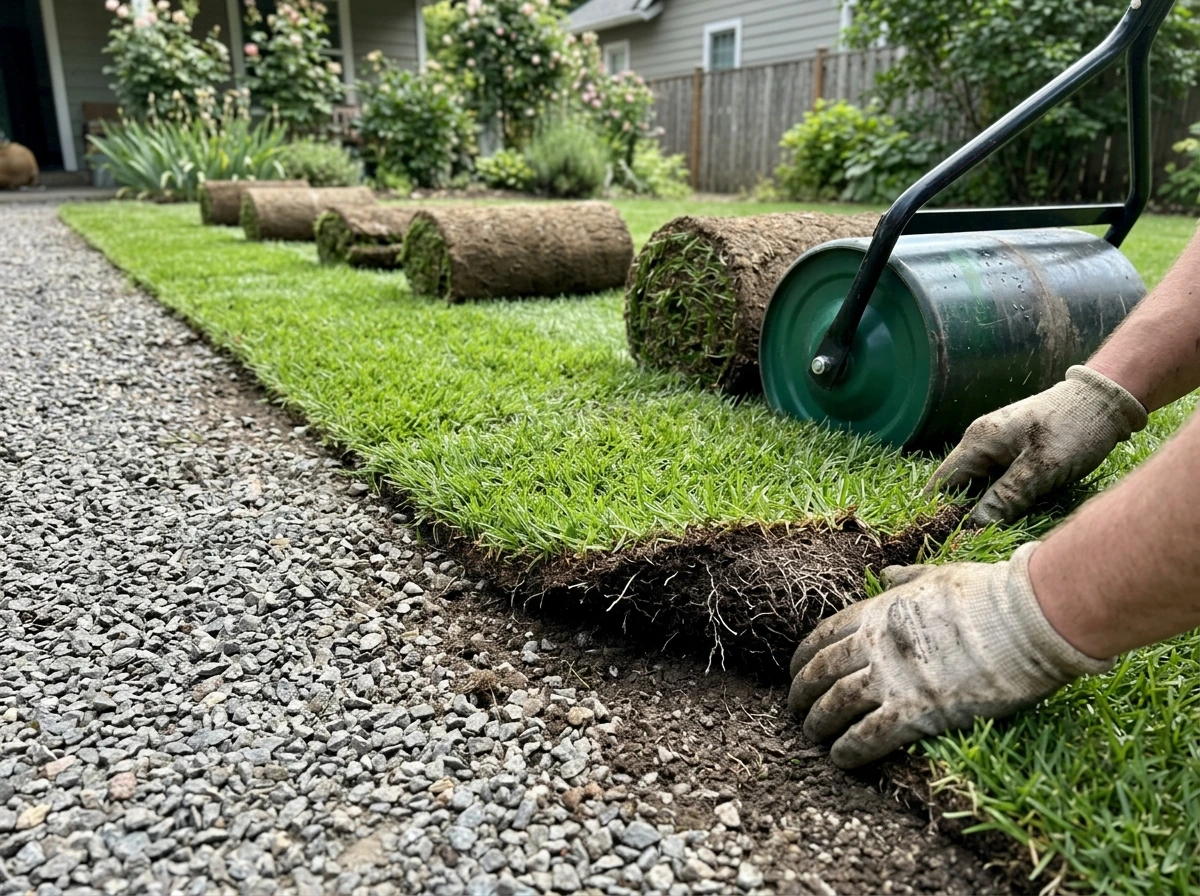
- Order sod as close to your installation date as possible; do not let it sit rolled up for more than 24 hours in summer heat
- Lay the first row along a straight edge (a driveway or sidewalk works well) and stagger the joints like brickwork so seams don't line up
- Butt each piece tightly against the last; never overlap or leave gaps
- Use a lawn roller filled with water to press the sod firmly against the soil and eliminate air pockets
- Water the sod daily (or twice daily in hot weather) for the first 2 weeks; sod should be moist to the soil beneath, not just on the surface
- After 2 weeks, check for rooting by gently tugging a corner of a sod piece; once it resists lifting, you can reduce watering frequency
- Wait until the sod is firmly rooted before the first mow, usually 3 to 4 weeks
Watering, Mowing, and Fertilizing: Year One vs. Established Lawn
Watering schedule
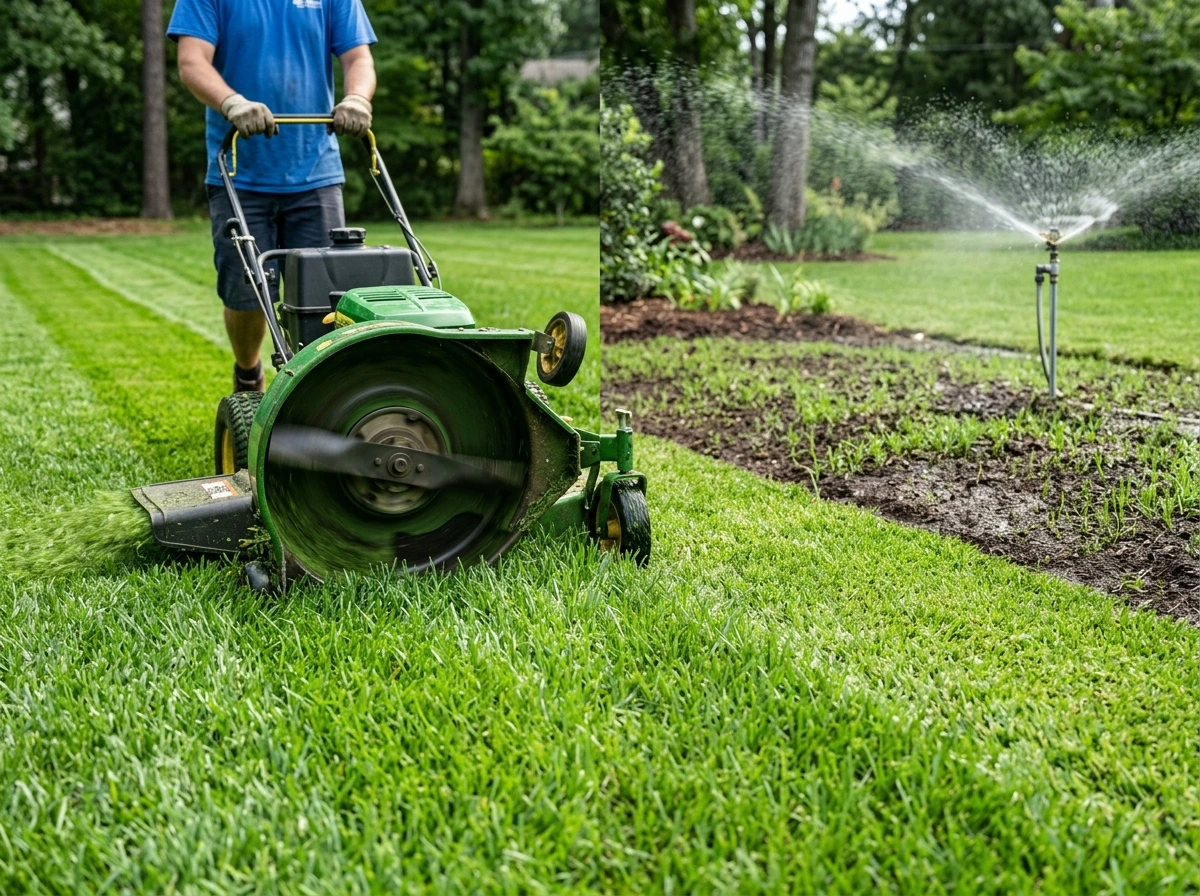
During the first establishment phase (roughly the first 4 to 6 weeks regardless of method), your goal is consistent moisture at the root zone. Light daily watering is the rule. Once zoysia is established and actively spreading, you shift to deep, infrequent watering: about 1 inch per week, applied in one or two sessions. This trains the roots to go deep, which is what makes zoysia so drought-tolerant once it's mature. If your soil is sandy and drains fast, you may need to water twice a week during summer. If it's clay, be careful not to overwater, which encourages disease.
Mowing
Set your mower at 1.5 to 2 inches for a home lawn. Zoysia is a dense, low-growing grass and it likes being kept relatively short, but scalping it (cutting too low) stresses it and opens the door to weeds. At the very start of spring, when zoysia is breaking dormancy, mow at the lowest setting you can without removing more than one-third of the blade height; this clears out dead top growth from winter and helps the lawn green up more evenly. After that initial spring mow, return to your normal 1.5- to 2-inch setting and mow as needed throughout the growing season. Leave clippings on the lawn when they're not clumping; they return nitrogen to the soil and reduce your fertilizer needs.
Fertilizing in year one
For newly planted zoysia, apply a starter fertilizer at planting (especially if seeding or plugging) to support root development. After the lawn is actively growing, apply a complete fertilizer with an N-P-K ratio around 3-1-2 or 4-1-2 at the start of the growing season. Apply no more than 1 pound of actual nitrogen per 1,000 square feet in a single application to avoid burning. For a mid-season boost in June or July, a fertilizer like 15-0-15 (high potassium, no phosphorus) works well on established or actively establishing turf, especially if your soil already has adequate phosphorus from a prior test.
Fertilizing an established lawn
Once zoysia is fully established, your annual fertilizer program should follow your growing season. Apply a complete fertilizer with roughly 3:1:1 or 4:1:2 N-P-K ratios in spring at green-up. Follow with a mid-summer application focused on nitrogen and potassium. Stop applying quickly available nitrogen by late summer to early fall; pushing tender new growth late in the season makes the lawn more vulnerable to disease and cold damage. Always base rates on a soil test if you can, and never exceed 1 pound of actual nitrogen per 1,000 square feet per application.
Weed Control and Keeping Your Turf Healthy
One of zoysia's biggest advantages is that once it's established and dense, it naturally suppresses most weeds on its own. But in that first year or two while it's filling in, weeds will try to move into open areas. Your control strategy depends heavily on your establishment method and how far along your lawn is.
Pre-emergent herbicides
Pre-emergent herbicides prevent weed seeds from germinating and are your best tool for keeping weeds out of a new or maturing zoysia lawn. Products with active ingredients like benefin or dithiopyr are commonly used on warm-season turf including zoysia. The critical rule: pre-emergent herbicides should only be applied to established turf, not to newly seeded areas or fresh plugs. Using them on new plantings will prevent your grass from establishing just as effectively as it prevents weeds. Time your application in early spring before soil temperatures hit 55 degrees Fahrenheit and crabgrass germination starts. After application, water in with at least half an inch of water to activate the product.
Handling weeds in the first season
If you planted from seed or plugs, hand-pulling or spot-treating with a selective post-emergent herbicide is your safest option in year one. Read labels carefully and confirm any product is safe for zoysia before applying. Broadleaf weeds in a new zoysia lawn can be treated with selective broadleaf herbicides once the grass has been mowed two or three times. For grassy weeds like crabgrass in new plantings, hand removal is usually the safest bet that first season.
Common disease and turf health issues
Large patch (sometimes called zoysia patch) is the most common disease you'll deal with. It shows up as circular tan or sunken brown patches that can range from a few inches to several feet across. It's most active in fall and spring when soil temperatures are between 50 and 70 degrees Fahrenheit. Excessive nitrogen in fall encourages it, which is another reason to avoid late-season fertilization. If you see circular patches appearing at green-up in spring, that's often large patch lingering from fall. Fungicide applications in fall before dormancy are more effective than treating it in spring after the fact.
Bare Spots and Slow Growth: What's Going Wrong and How to Fix It
Bare spots and patchy coverage are the most common complaints from people growing zoysia. Almost every case comes down to one of a handful of causes.
| Problem | Likely Cause | Fix |
|---|---|---|
| Plugs not spreading after 6+ weeks | Drought stress or roots dried out during establishment | Water more consistently; replug dead areas in late spring |
| Bare spots after sod installation | Poor soil contact or sod dried out before rooting | Press sod firmly, keep moist; patch with new sod pieces |
| Patchy seed germination | Uneven seed-to-soil contact or moisture loss | Rake and reseed thin areas; keep seedbed moist longer |
| Lawn greening up unevenly in spring | Thatch buildup or low mow needed to remove dead tissue | Mow low at first spring green-up to remove dead top growth |
| Thinning in shaded areas | Insufficient sunlight for the variety | Switch to a more shade-tolerant variety like Zeon or Emerald |
| Slow spread overall | Poor soil nutrition or pH out of range | Get a soil test; amend pH to 6.0–6.5; fertilize appropriately |
| Recurring bare patches in same spot | Compaction, drainage issue, or disease | Aerate compacted areas; address drainage; consider fungicide for large patch |
If your plugs are placed correctly but still not spreading, check two things first: soil pH and moisture consistency. Zoysia growing in soil that's too acidic or too alkaline just stalls. And plugs that look alive above ground may not be rooting if the soil moisture has been inconsistent. Getting the fundamentals right often turns a struggling lawn around within a single growing season, which is why this guide to how to grow grass plugs emphasizes soil pH and moisture consistency.
If you want to dig deeper into making zoysia spread faster once it's established, there's a lot more to cover on that topic specifically, including targeted methods to speed up lateral growth.
Long-Term Care: Keeping Your Zoysia Lawn Healthy Year After Year
Aeration
Zoysia tends to build up thatch over time because it grows so densely. Core aeration once a year in late spring (at or just after green-up) helps break up compaction and reduce thatch buildup. If your thatch layer exceeds about half an inch, you may also need to dethatch with a power rake. Do this in late spring when zoysia is actively growing so it can recover quickly. Aerating in fall is not ideal for zoysia because it's heading into dormancy and recovery is slow.
Overseeding decisions
Overseeding zoysia with cool-season grasses (like ryegrass) to maintain winter color is possible but comes with tradeoffs. The cool-season grass competes with zoysia at green-up in spring and can slow it down. If winter color matters to you, it's a valid option in the transition zone, but expect to manage that competition carefully each spring. In the deep South where winters are mild, many homeowners skip overseeding entirely and accept brown dormancy as part of the seasonal cycle.
Seasonal routine summary
| Season | Key Tasks |
|---|---|
| Early Spring (green-up) | Mow low to clear dead tissue; apply pre-emergent herbicide to established turf; apply first fertilizer (3-1-2 or 4-1-2 ratio) |
| Late Spring | Core aerate if needed; plant new plugs or sod if expanding; begin regular mowing at 1.5–2 inches |
| Summer | Deep infrequent watering (1 inch/week); mid-season fertilizer (nitrogen + potassium); spot-treat weeds |
| Early Fall | Apply fungicide if large patch has been a problem; stop nitrogen fertilization; continue mowing until dormancy |
| Late Fall / Winter | Lawn goes dormant; avoid heavy traffic on frozen or dormant turf; plan amendments for spring |
Your next steps starting today
If today is late March and you're in the transition zone, you're in a good position to start preparing now and plant in late May or early June. Use the next 4 to 8 weeks to get your soil test done, amend pH if needed, and clear the site. If you're in the deep South, you're close to planting time right now, so prioritize soil testing and method selection first.
- Order a soil test from your local extension office this week
- Decide on your establishment method (seed for budget, plugs for large areas, sod for speed)
- Choose your variety based on your region, sun levels, and how you're planting
- Clear and prep your site: kill weeds, address drainage, till and smooth the surface
- Amend soil pH toward 6.0–6.5 based on your soil test results
- Plant in late spring when soil temperatures hit 65 to 70 degrees Fahrenheit
- Commit to consistent daily watering for the first 2 to 3 weeks after planting
- Start your fertilizer program at green-up with a 3-1-2 or 4-1-2 ratio product
- Apply pre-emergent herbicide only once grass is established, not during new planting
- Be patient: plugs and seed take a full season or two to fill in, and that's normal
FAQ
Can I grow zoysia from seed and still get a dense lawn without plugs or sod?
Yes, but plan for longer fill-in. Seed germinates slowly and often unevenly, so the lawn will look thin for much longer than with plugs or sod. For best results, seed only after soil temps are consistently in the 65 to 70°F range, keep the top layer evenly moist during germination, and expect you may need additional seed or plugs in spots the following spring.
What if my yard gets 4 to 5 hours of sun, can I still grow zoysia?
Zoysia will likely thin and spread slowly in that situation, especially under dense tree shade. If you still want to try, choose a variety with better shade tolerance for your area and improve light first (prune lower branches, remove brush, reduce competition). If shade is from a building or heavy mature canopy, consider switching turf type rather than investing in an installation that will stay patchy.
Is it better to plant zoysia plugs or sod if I want it filled in within one growing season?
For fastest visual results, sod generally wins because it already has a mature root mat and surface coverage. Plugs can fill in during a single season only if timing is right, plug spacing is tight, and watering stays consistent for the first month. If you choose plugs, plan for patchwork to look worse before it looks better, especially in areas that were previously bare or heavily shaded.
How often should I water new zoysia, and how do I know if I am overwatering?
During establishment, aim for consistent moisture at the root zone, not just damp grass blades. A practical check is to dig a small test plug area, the top several inches should feel moist but not muddy, and you should not see water pooling overnight. If the soil stays wet for long periods, reduce watering frequency, improve drainage, and avoid late-day watering to limit disease pressure.
Should I water zoysia differently for sandy versus clay soil?
Yes. Sandy soil drains quickly, so you typically need more frequent watering to keep germination and early rooting consistent. Clay holds water, so you should water less often but monitor closely for pooling, slow infiltration, and fungal issues. If you see standing water after rain, drainage correction is more important than changing your watering schedule.
What mowing height should I use in the first month after planting?
Start with the same 1.5 to 2 inch target when the lawn is taking off, but avoid cutting too aggressively early. If the grass is still patchy, wait until there is enough green growth to support a cut without scalping. Never remove more than about one-third of the leaf height during the initial recovery period.
Do I need to fertilize right away, or can I skip it the first year?
A starter fertilizer at planting is especially helpful for plugs and seed because it supports root establishment. If your soil test already shows very high phosphorus and potassium, you may be able to reduce mid-season fertilizer choices, but you still generally need some nutrition to help zoysia root quickly. Avoid heavy nitrogen right after planting, focus on balanced start and follow soil-test-based rates.
Can I use pre-emergent herbicides as soon as I install zoysia?
Usually no. Pre-emergents should be held until the turf is established, because applying them to fresh seed or fresh plugs can block zoysia seedlings from emerging or rooting. A safer approach is to wait until your lawn has been mowed multiple times and is actively spreading, then time the application in early spring when soil temps are near the weed-germination window.
What should I do if I see bare patches after planting, but the plugs look alive above ground?
This often points to rooting problems rather than dead plants. Recheck soil moisture consistency and soil pH first, then confirm you did not plant into a thick thatch layer. If the area stays dry between waterings, plugs may not establish roots even though they look green temporarily. If the area stays wet, address drainage and reduce watering frequency to prevent disease and rot.
How can I tell if circular tan patches are large patch or something else?
Large patch typically appears as circular tan or sunken brown areas and it is more active when temperatures are moderate, roughly fall and spring. If the spots show up around green-up after heavy fall nitrogen, large patch is more likely. Still, avoid blanket fungicide use without confirming conditions, because watering and nitrogen timing can be the main drivers even when it looks disease-related.
Should I aerate zoysia in fall to reduce thatch and improve density?
Late spring is the better time because zoysia can recover while it is actively growing. Fall aeration can leave the lawn stressed during dormancy, recovery is slow, and you may end up with more visible disruption and delayed thickening. Core aeration once per year around green-up is typically the most practical schedule.
Is overseeding zoysia with ryegrass a good idea if I hate the winter browning?
It can work, but it adds competition risks at green-up. The cool-season grass can temporarily slow zoysia as temperatures rise in spring, and you may need additional management to transition cleanly each year. In very mild winters, many homeowners skip it because the downside of competition outweighs the small aesthetic gain.
Next Article
Zoysia Grass How to Grow: Step-by-Step Planting Guide
Step-by-step zoysia grass planting guide: timing, soil prep, sod or plugs, watering plan, first-season mowing, fixes.