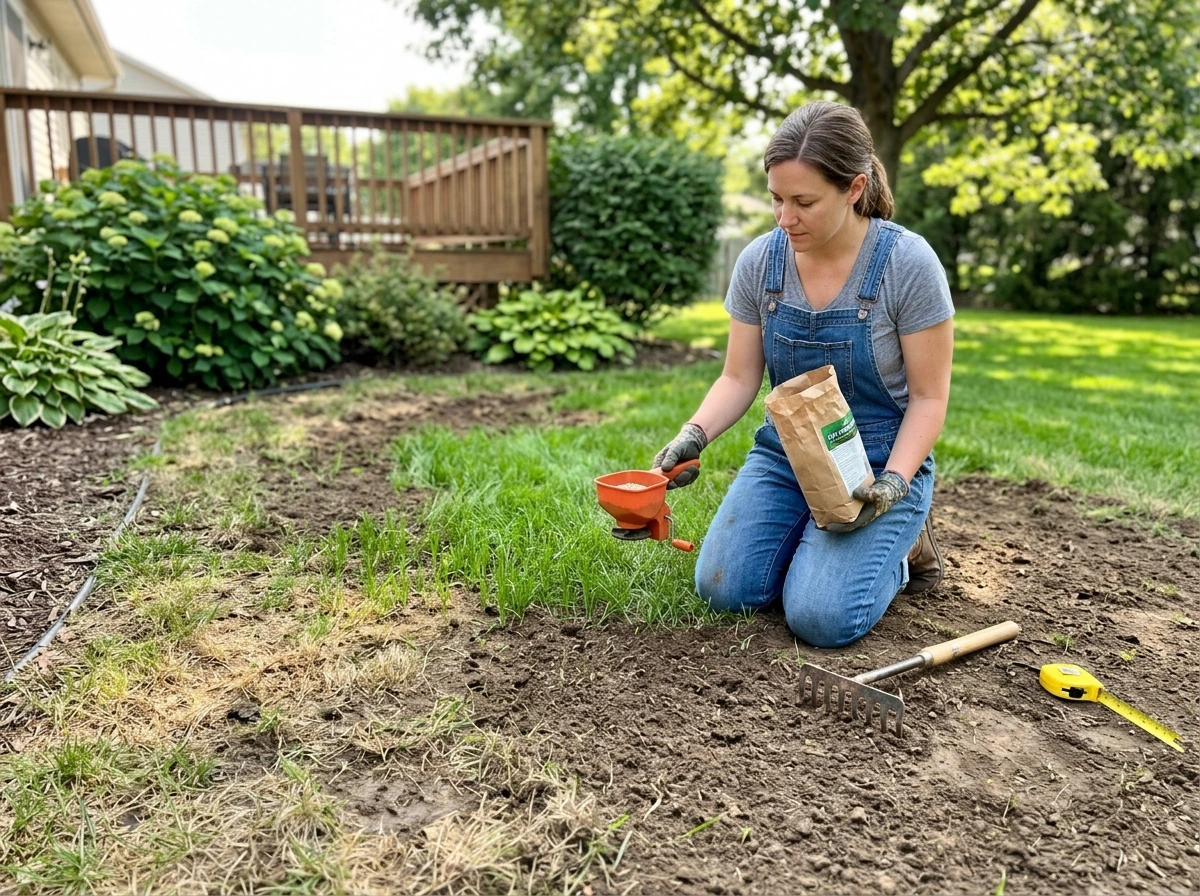
To grow grass from seed, you need four things: the right seed for your climate, prepared soil that gives seeds a real chance, a planting method that gets seeds into the ground at the correct depth, and a consistent watering schedule during germination. That's the short answer. The rest of this guide walks you through exactly what to use and do at each step, so you're not guessing or re-seeding in six weeks because something went wrong the first time.
What to Use to Grow Grass: Seed, Soil, and Watering Checklist
Marcus Tillwell
24 Mar 2026
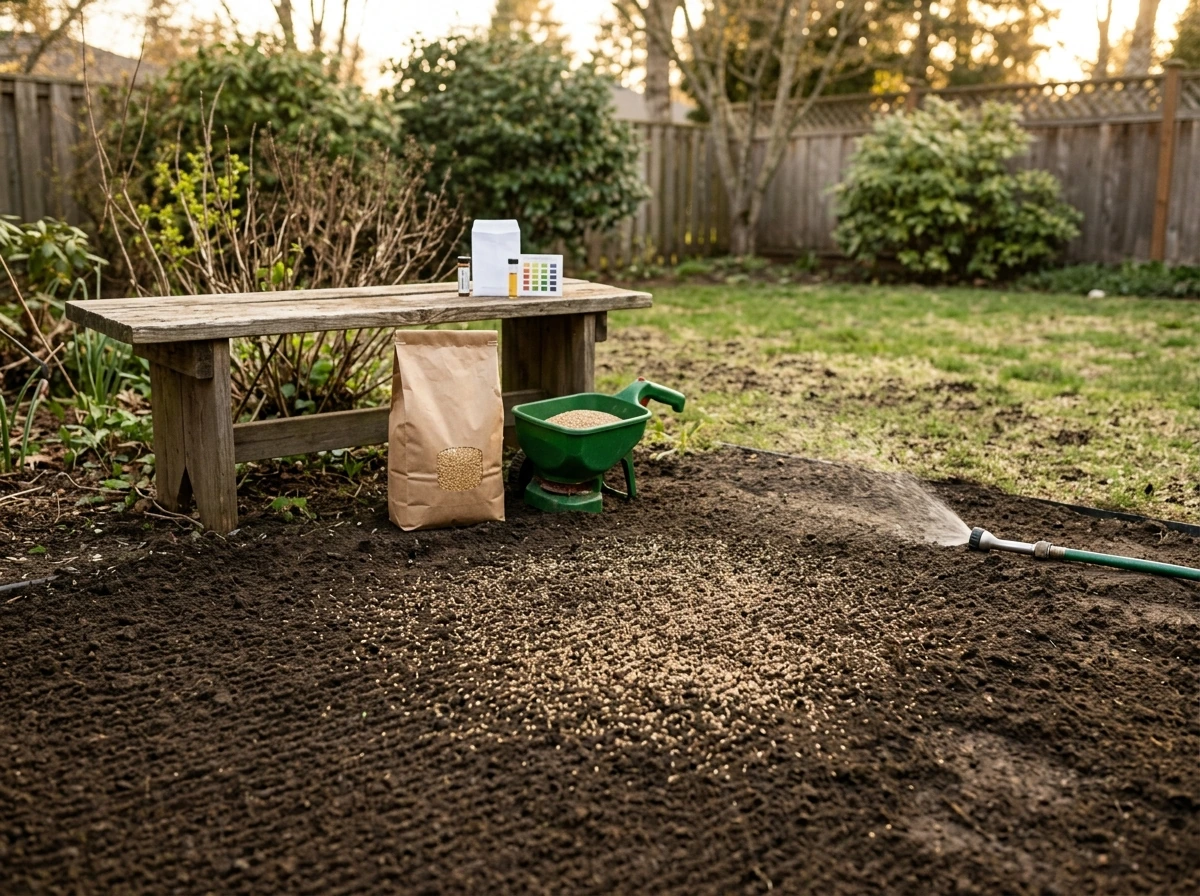
Your starter shopping list
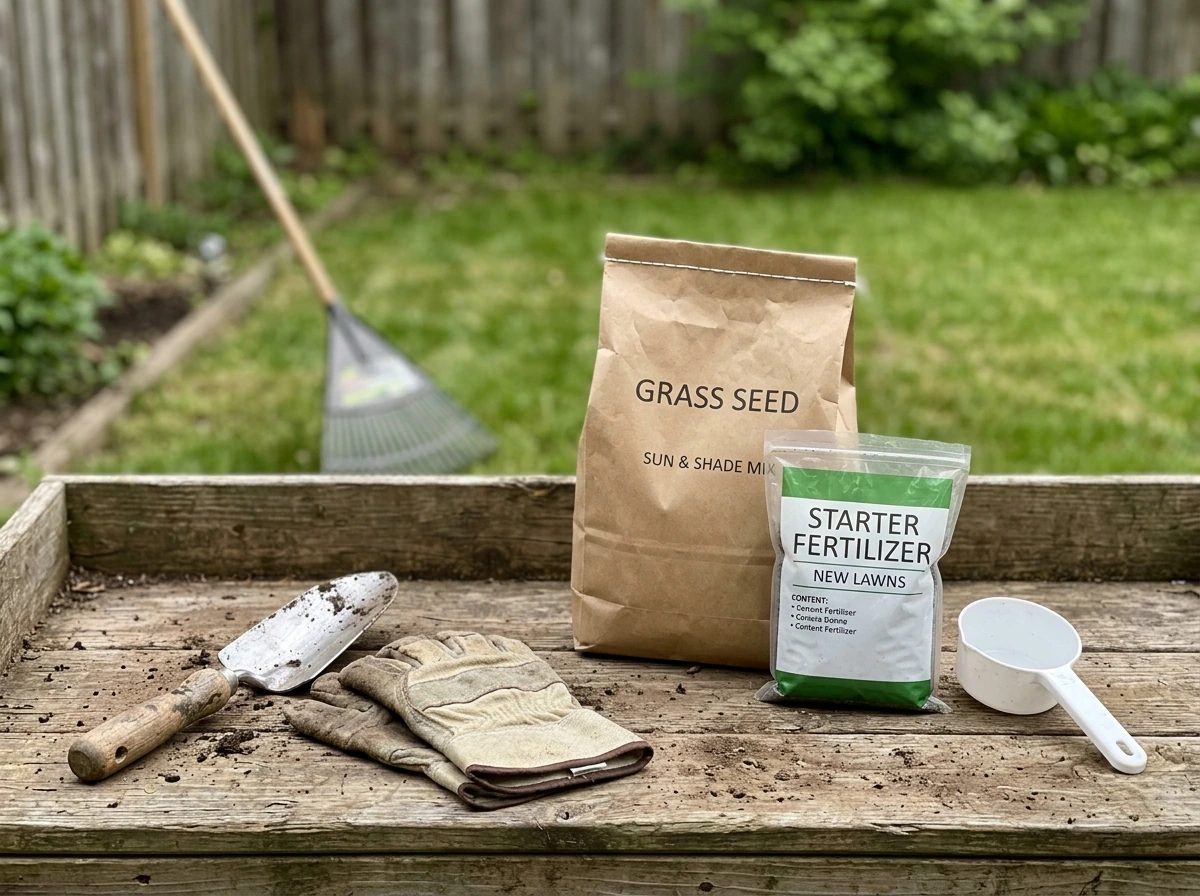
Before anything else, here's what you'll actually need to have on hand. You don't need a truckload of equipment or a pro landscaper. Most of this is available at any garden center or home improvement store.
- Grass seed matched to your region and site conditions (more on this below)
- Starter fertilizer (look for a high-phosphorus formula, like a 10-18-10 or similar ratio)
- Soil amendments based on a soil test (lime if pH is low, compost if soil is compacted or sandy)
- A garden rake or leaf rake for seed incorporation
- A broadcast spreader or hand spreader for even coverage
- Straw mulch or a biodegradable erosion-control blanket for slopes and bare areas
- A hose with an adjustable sprinkler head, or a sprinkler system you can set on a timer
That's genuinely it. The rest is timing and consistency. A lawn roller (the kind you fill with water) is helpful for getting good seed-to-soil contact after seeding, and you can rent one cheaply if you don't want to buy. But for most small to medium yards, a firm rake pass does the job.
Pick the right seed first, everything else depends on it
Choosing the wrong seed type is the single most common reason a lawn fails to establish. There are two categories you need to understand: warm-season grasses and cool-season grasses. They don't just prefer different temperatures, they have completely different management requirements, so mixing them doesn't work.
Warm-season grasses: bermuda, zoysia, and others
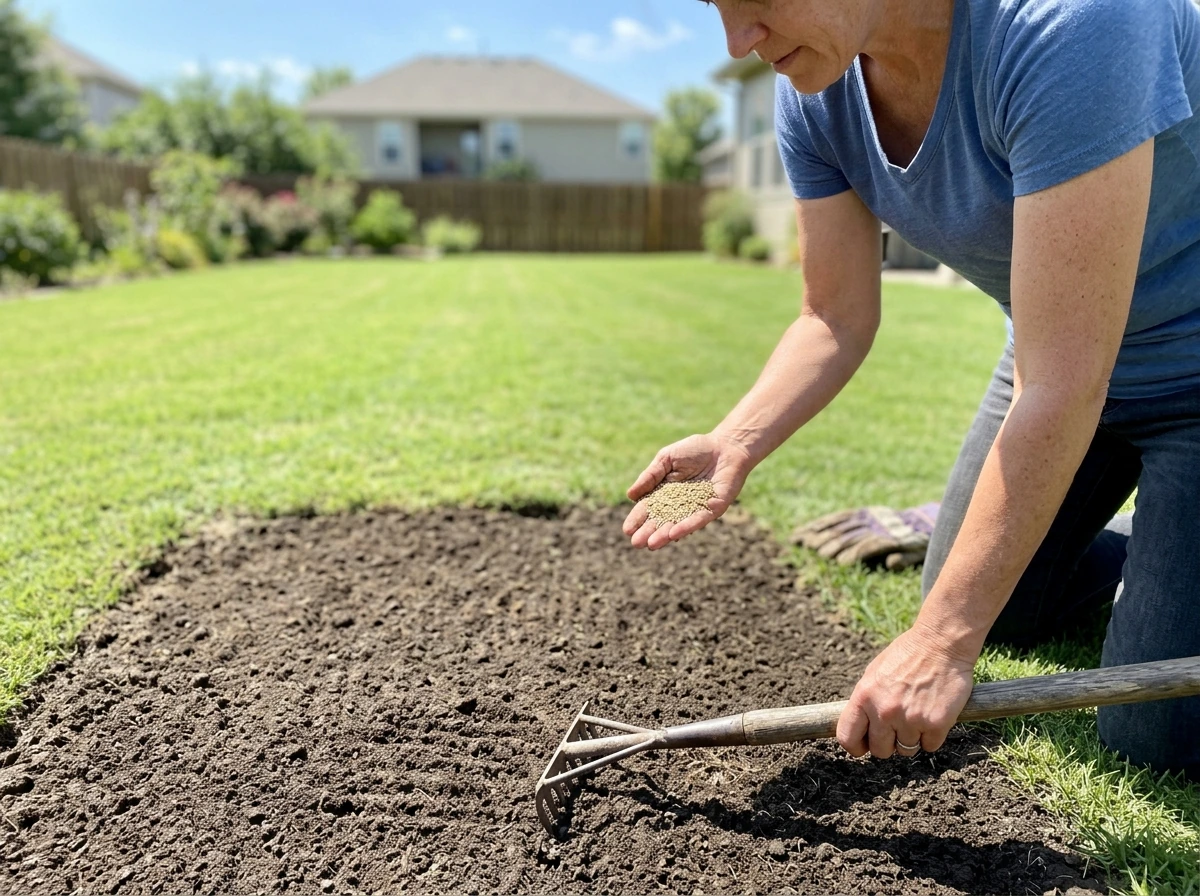
Bermudagrass and zoysiagrass thrive in the South, the Southwest, and transition-zone climates. They go dormant in winter and grow aggressively in summer heat. Bermudagrass is extremely drought-tolerant once established and germinates in 10 to 30 days under warm conditions. It does best at a soil pH of 6.0 to 7.0, so if your soil is very acidic, lime is non-negotiable before you seed. One important note: zoysia and some other warm-season types are difficult to establish uniformly from seed alone. If you're going the seed route with zoysia, expect a longer establishment window and lower initial uniformity compared to bermuda or cool-season options. Warm-season grasses are best seeded in late spring or early summer when soil temperatures are reliably warm.
Cool-season grasses: tall fescue and perennial ryegrass
Tall fescue and perennial ryegrass are the go-to choices for the North, Pacific Northwest, and higher elevations. They germinate best when soil temperatures are in the 68 to 86°F range, which typically lines up with late summer or early fall seeding windows. Perennial ryegrass is the fastest to germinate, usually 5 to 10 days, making it a good choice when you need quick coverage. Tall fescue takes 7 to 12 days and is more heat and drought tolerant than most cool-season options, which makes it a strong pick for transition zones or yards that get a lot of sun and stress. Fescue can also tolerate lower soil pH than bermudagrass, down to about 4.5, though you still want to target something closer to neutral for best results.
Shaded areas: what actually works
Shade is where a lot of lawn projects fail. If you're in a warm-season climate, your options are genuinely limited because most warm-season grasses need full sun. In a cool-season climate, tall fescue and perennial ryegrass are your best bets for shaded spots. Do not try to mix cool-season and warm-season grasses in the same area to "cover your bases." They require different management, different mowing heights, and different fertilizing schedules, and the result is usually a patchy, unhealthy mess.
| Grass Type | Best Climate | Sun Needs | Germination Time | Soil pH Target | Best Planting Window |
|---|---|---|---|---|---|
| Bermudagrass | South/Southwest | Full sun | 10–30 days | 6.0–7.0 | Late spring to early summer |
| Zoysiagrass | South/Transition | Full sun to light shade | Slow/variable from seed | 6.0–7.0 | Late spring to early summer |
| Tall Fescue | North/Transition | Full sun to partial shade | 7–12 days | 5.5–6.5 | Late summer to early fall |
| Perennial Ryegrass | North/Pacific NW | Full sun to partial shade | 5–10 days | 5.5–6.5 | Late summer to early fall |
Get the soil ready before you open a bag of seed
Skipping soil prep is the second-most-common reason lawns fail. Seeds don't germinate in bad soil just because you want them to. The goal is a loose, slightly firm seedbed with the right chemistry so roots can actually take hold.
Start with a soil test
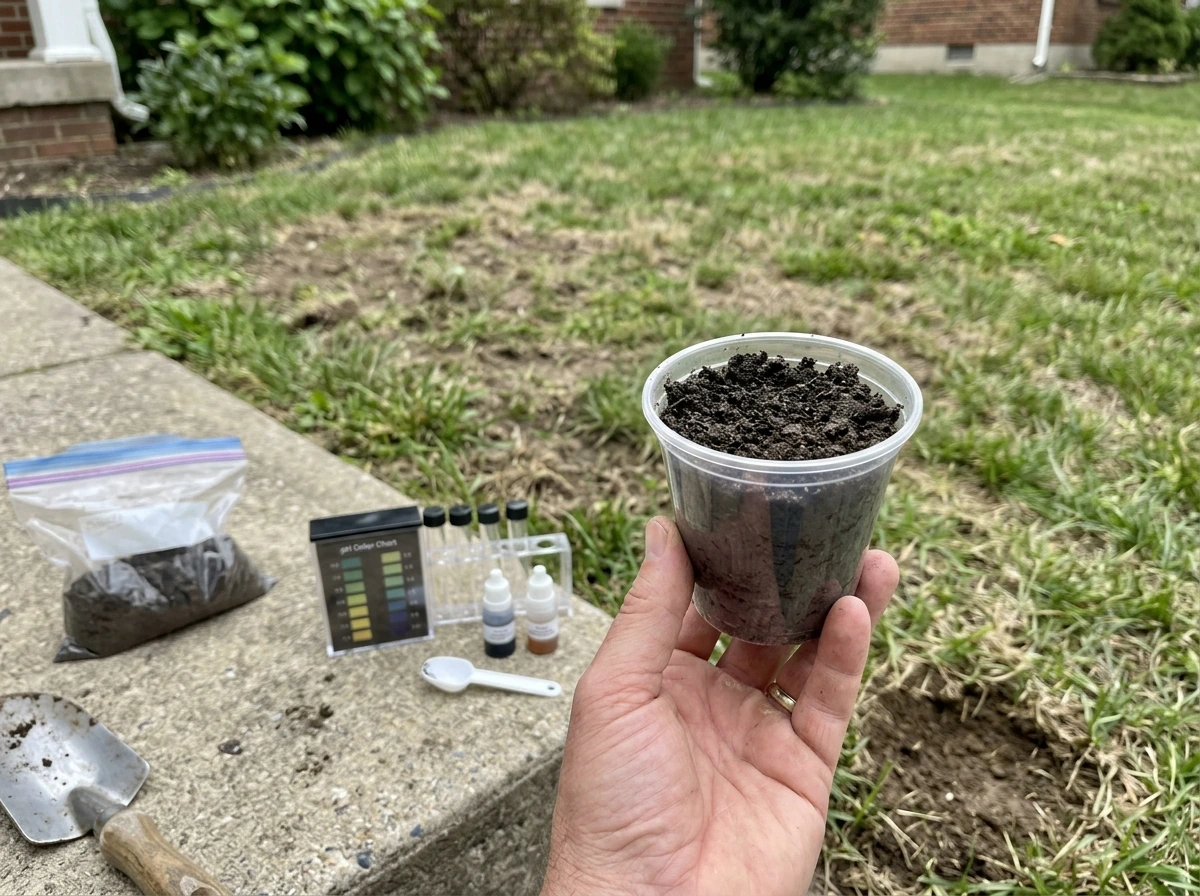
A basic soil test from your local extension office or a mail-in lab costs around $15 to $25 and tells you pH, phosphorus, and potassium levels. You need this information. If your pH is off, fertilizer won't work well and germination will be slow or spotty. If phosphorus is low, roots won't develop properly after the seeds sprout. Don't guess on this one.
Incorporate amendments before seeding, not after
Phosphorus and potassium don't move through soil quickly when surface-applied, so if you just sprinkle them on top after seeding, they won't reach the root zone in time to help. Work lime, phosphorus, and potassium into the soil to a depth of 4 to 6 inches before you seed. This is especially important if you're starting from bare ground. Use a tiller, a garden fork, or a rented power rake to work amendments in. For a typical new seeding, apply about 0.5 lb of nitrogen per 1,000 sq ft via a starter fertilizer at the time of seeding, adjusted based on your soil test results.
Fix clay, sand, and compaction problems now
If your soil is heavy clay, it holds water and compacts easily, which suffocates roots and causes seeds to rot before they sprout. Work in a 2- to 3-inch layer of compost and till it into the top 4 to 6 inches. This improves drainage and loosens structure. If your soil is very sandy, it drains too fast and dries out before seeds can germinate. Same fix: compost, tilled in. Sandy soil also benefits from a light topdressing of quality topsoil after seeding to help retain moisture around seeds. After all your amending and tilling, the seedbed should be loose enough that your heel sinks about half an inch when you walk on it. Firmer than that and seeds won't have room to root. Looser than that and the seed-to-soil contact will be poor.
Grade and clear the surface
Remove rocks, clumps, old thatch, and debris. Rake the surface smooth and fix any low spots where water will pool. Grade gently away from your house foundation if you're working near the perimeter. Seeds that sit in standing water will rot. Seeds on a slope without any mulch or blanket will wash away. Deal with both before planting.
How to actually plant the seed
Timing matters more than most people think
For cool-season grasses, late summer to early fall is your prime window. Soil is warm enough to support fast germination, air temperatures are cooling down, and you have weeks of mild weather for the seedlings to establish before winter. Spring seeding is possible but less ideal: the window between "too cold" and "too hot" is narrow, and you're competing with summer annual weeds. If you seed in spring, increase your seeding rate to compensate for lower germination success rates. For warm-season grasses, plant in late spring or early summer once soil temperatures are consistently warm.
Seeding rates and coverage
Seeding rates vary by species and whether you're seeding bare ground or overseeding into existing turf. For bare ground, follow the high end of the rate on your seed bag. Overseeding into existing lawn typically uses about half the bare-ground rate. Spreading in two passes, one in each direction, helps you get even coverage without missing strips or doubling up in spots. A broadcast spreader is the most reliable tool for this.
Get seeds into the soil, not just on top of it
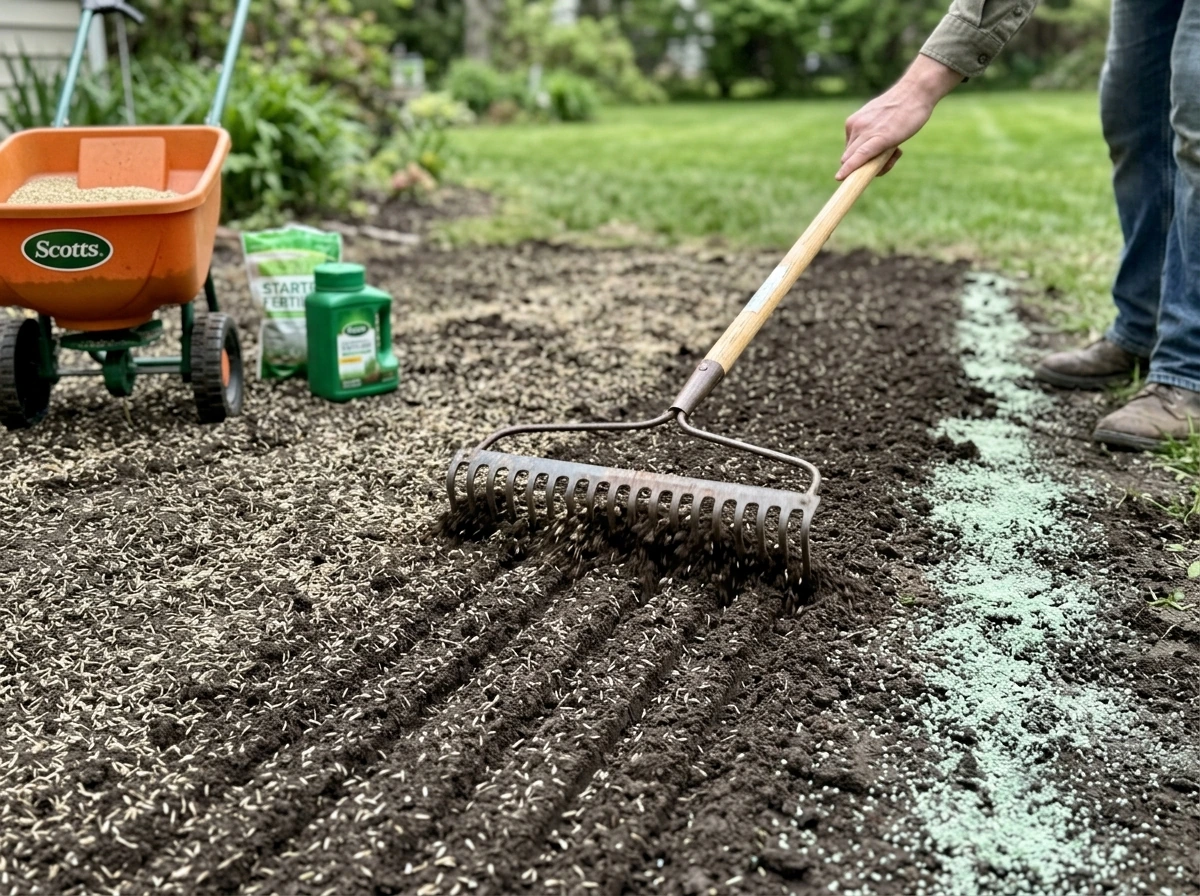
After spreading seed and starter fertilizer, rake lightly with a leaf rake to work seeds about a quarter inch into the soil. You're not burying them, just covering them. Then, if you have a lawn roller, do one light pass to firm the soil and improve seed-to-soil contact. If you don't have a roller, walk the area in overlapping paths. Poor seed-to-soil contact is one of the most overlooked causes of patchy germination.
Watering and keeping seeds in place during germination
Mulch and erosion blankets
On flat to gently sloping ground, a light layer of straw mulch (one bale per 1,000 sq ft is a common rule of thumb) helps retain moisture, prevents the seeds from drying out between waterings, and reduces erosion from rain. You want to see about 50 percent of the soil surface through the straw. On steeper slopes or areas with erosion risk, use a biodegradable erosion-control blanket instead. Pin it down at the edges and across the slope. It does the same job as straw but stays in place much better in rain.
Your watering schedule for the first 4 to 8 weeks
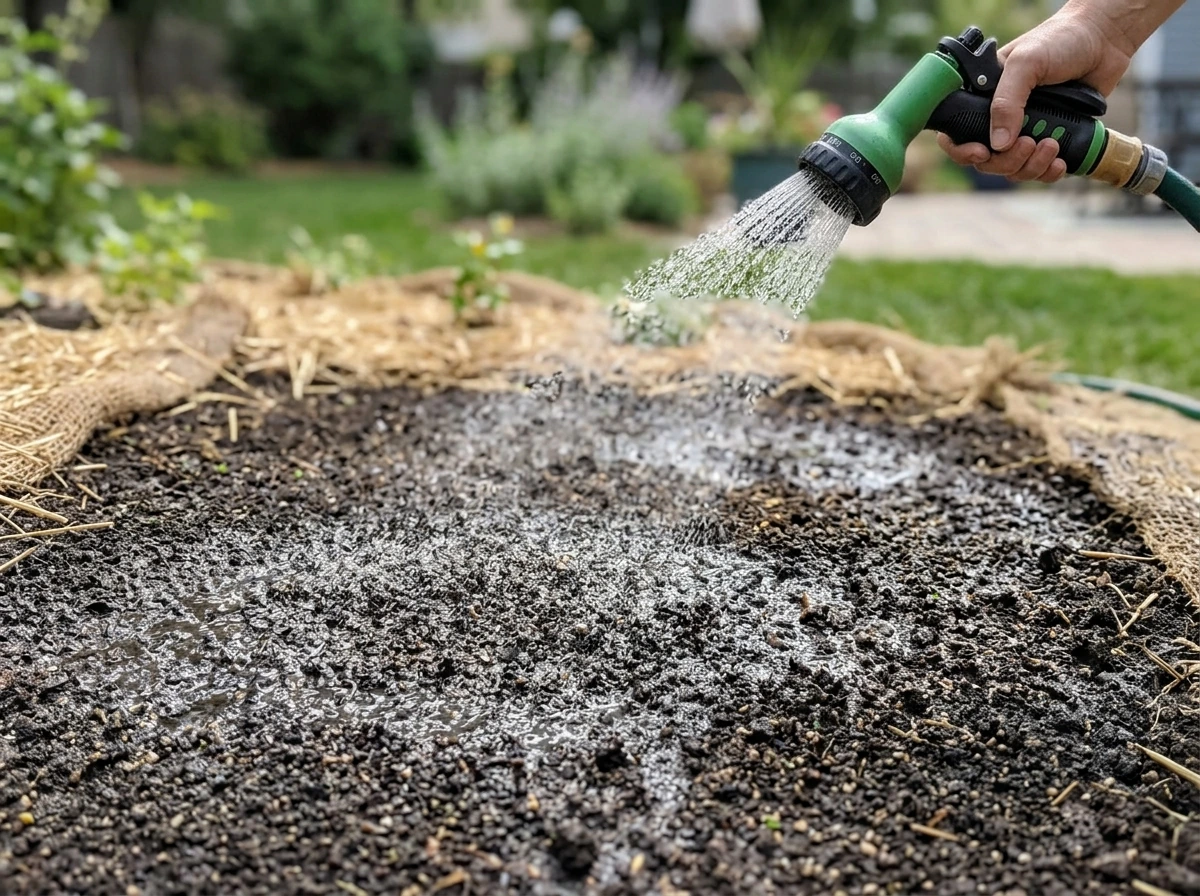
The first two weeks are the most critical. Seeds need to stay consistently moist, not waterlogged, but never drying out. That means watering two to three times a day in short sessions, typically 5 to 10 minutes per zone, depending on your climate and how fast the surface dries. In hot or windy conditions, you may need four short sessions a day. The goal is to keep the top half inch of soil moist at all times until germination is visible. Once you see sprouts across most of the seeded area, you can start scaling back to once or twice daily, then gradually transition to deeper, less frequent waterings to encourage roots to grow down. Penn State Extension notes the 4 to 8 weeks after seeding are critical to survival, and skipping even a few days of watering in the early germination window can set you back significantly.
What to expect: germination timelines by grass type
Perennial ryegrass is the fastest, often showing green in 5 to 10 days. Tall fescue follows at 7 to 12 days. Bermudagrass takes the longest at 10 to 30 days, so don't panic if you're two weeks in and don't see much yet. If you're past the expected window with nothing to show, check the troubleshooting section below.
Early maintenance that determines whether the lawn actually lasts
When and how to mow for the first time
Wait until the new grass is about one-third taller than your target mowing height before you mow. If you want a 3-inch lawn, wait until grass reaches about 4 inches, then cut it back to 3. Use a lightweight mower for the first few cuts. Heavy equipment on young turf can uproot seedlings that haven't anchored yet. Keep the mower blade sharp so you're cutting, not tearing.
Fertilizing after establishment begins
You already applied starter fertilizer at seeding. About 4 to 8 weeks later, once the lawn is actively growing and you've mowed a couple of times, apply a follow-up application of about half a pound of nitrogen per 1,000 square feet. This helps thicken the stand and fills in any thin areas. Don't over-fertilize early on: too much phosphorus or nitrogen before the grass is established can actually increase weed pressure and crowd out the seedlings you're trying to grow.
Weeds and foot traffic
Stay off new seedings as much as possible for the first 4 to 6 weeks. Foot traffic, kids, and especially pets can uproot young seedlings before they've anchored. For weeds, hold off on any pre-emergent herbicides until after at least two or three mowings. Pre-emergents will kill your new grass seedlings just as effectively as weed seeds. Hand-pull or spot-treat any particularly aggressive weeds early on, and let the lawn thicken naturally before applying any broad weed control.
Pets and high-traffic areas
If dogs are your issue, either fence them off the new seeding entirely for 4 to 6 weeks, or seed in sections so at least part of the lawn can establish while they use another area. For areas that get heavy foot traffic long-term, choose a wear-tolerant variety like tall fescue or bermudagrass. These recover better from regular use once established.
When things aren't working: common problems and what to do
Bare spots that won't fill in
Persistent bare spots usually come down to one of three things: compaction, shade, or poor seed-to-soil contact. If the spot is under a tree, check whether the root competition and shade together are making it impossible for grass to establish. Some heavily shaded spots just won't grow any grass, regardless of what you seed. For compacted spots, aerate, add compost, rake smooth, and reseed. For spots where the seed simply didn't catch, scratch the surface, apply fresh seed, firm it in, and keep it moist.
Clay and sandy soil problems
Clay soil that wasn't amended before seeding will cause drainage problems and uneven germination. If you're dealing with this after the fact, top-dress thin areas with a compost-and-sand mix, aerate if possible, and overseed. It's harder to fix after the fact than before, which is why soil prep upfront saves so much frustration. Sandy soil that dries out too fast will cause seeds to germinate and then die quickly during heat or if you miss a watering. Topdress with compost and water more frequently until the lawn is established.
Slow or no germination
If you're past the expected germination window and see nothing, run through this checklist: Is the soil temperature within the right range for your seed type (68 to 86°F for tall fescue and perennial ryegrass)? Is the soil staying consistently moist or drying out between waterings? Did the seed get worked in or is it sitting loose on the surface? Is the seed fresh and from a reputable source? Old seed has significantly lower germination rates. If the answer to any of those is "no" or "not sure," that's likely your problem. Adjust and reseed the thin areas.
Uneven coverage and patchy results
Patchiness usually comes from uneven spreading, inconsistent watering, or variable soil conditions across the yard. For spreading, always make two passes at right angles to each other. For watering, check that your sprinkler is covering the whole area evenly: dry spots at the edge of a sprinkler's reach are a common culprit. For soil variability, a second soil test in the patchy areas can tell you whether pH or nutrient deficiencies are localized.
Erosion washing seed away on slopes
If you seeded a slope and the first rain washed everything downhill, the fix is an erosion-control blanket pinned securely across the slope, plus reseeding. For very steep slopes, consider whether grass is even the right ground cover, or whether a sod installation would be more practical. Straw mulch alone isn't reliable on slopes steeper than about 3:1. Go with the blanket.
FAQ
How much grass seed should I use (and do I change the rate if I’m overseeding)?
Use the rate on your seed bag as your baseline, then adjust for your situation. For overseeding, you typically apply about half the bare-ground rate, and you should also increase the rate if you expect lower germination due to heat, shade, or poor seed-to-soil contact. If you are not sure, buy an extra small amount rather than under-seeding, because “thin” is harder to fix than “slightly heavy.”
Can I fertilize immediately after seeding, or should I wait?
Not exactly. Starter fertilizer helps early establishment, but it is designed to be applied at seeding and in a modest amount (about 0.5 lb nitrogen per 1,000 sq ft in the guide). If you add heavy fertilizer right away, you can increase weed pressure and stress seedlings. After germination and a couple of mowing cycles, apply a follow-up nitrogen-only dose (about half a pound per 1,000 sq ft) rather than repeating a high seeding application.
What weed control should I use right after seeding?
Before you start spraying weeds, wait until new grass has anchored and been mowed a few times, because pre-emergent herbicides can kill grass seedlings. For first-season control, spot-treat tough weeds by hand-pulling or using targeted spot treatments, then reassess once the lawn is actively growing and thick. If weeds are a constant issue, plan your herbicide timing around your grass type and mowing schedule, not around the calendar alone.
Is it better to water longer less often, or short sessions more times a day?
Yes, but do it carefully. The guide emphasizes keeping the top half-inch consistently moist, which usually requires multiple short sessions per day during the germination window. Avoid “one big soak” because the seed zone can go waterlogged and rot, especially if your soil holds water or is compacted. If you see standing water, cut back immediately and improve drainage (compost and surface grading) before continuing.
I covered the seed lightly, but my lawn came in patchy. What’s most likely wrong with seed-to-soil contact? (No need to “redo everything” yet.)
Grass seed usually needs to be kept off the surface and in good contact with the soil. If you have a roller, do one light pass after raking in, or walk in overlapping paths if you do not. Also, make sure you cover seeds only to about a quarter inch, not deeper. If seeds are left loose or uncovered during hot, dry weather, you often get patchy emergence.
If I don’t see sprouts by the expected time, should I reseed right away?
In many cases, yes. If germination has passed the expected window for your seed type, the seed may be old, the soil temperature may be outside the ideal range, or the seed may have dried out between watering sessions. The fastest decision aid is to compare your results to the guide’s germination expectations (for example, perennial ryegrass often shows within about a week, tall fescue about 1 to 2 weeks, bermuda can take much longer). If nothing appears and the watering and soil temperature check out, reassess whether the seed is fresh and whether you worked it into the soil.
Can I fix bare spots by reseeding, or do I need to amend soil first?
On thin or failed sections, you can scratch the top lightly, add fresh seed, firm it in, and keep it consistently moist again. If the issue is compaction or drainage, reseeding alone will keep failing, so aerate and amend first, then reseed. For localized patchiness, a second soil test in the problem zones can prevent you from repeatedly reseeding the wrong fix.
What should I do if my lawn area gets a lot of shade?
Yes, and it changes your lawn “plan,” not just your watering. In warm-season areas, most options need full sun, so heavy shade can limit establishment regardless of how well you seed. In cool-season climates, tall fescue and perennial ryegrass handle some shade better, but still expect reduced density and slower recovery. If shade is the cause, your best move is choosing the right grass type and focusing on soil preparation and consistent moisture, rather than trying to force a mixed species solution.
I seeded a slope, and after rain the seed washed away. Is straw mulch enough, or should I switch methods?
For slopes, straw mulch is generally reliable only up to about a 3:1 grade. If rain or irrigation tends to wash seed downhill, use an erosion-control blanket and pin it down across the slope before reseeding or continuing any seeding attempts. Then keep moisture consistent until sprouts are established, because uncovered seed on a slope often relocates after every heavy watering.
When can I let kids or pets back on the new lawn, and how do I handle high-traffic areas?
It depends on what “heavy foot traffic” means and how long you wait. The guide recommends keeping off new seedings for 4 to 6 weeks, because seedlings can uproot before anchoring. If you must use the yard sooner, fence off the seeding area and consider seeding in sections so part of the yard can establish while you keep traffic in the other zone. For long-term durability in high-use areas, tall fescue or bermudagrass generally recover better once established.
Next Article
How to Grow Grass Evenly From Seed: Fix Patchy Spots
Step-by-step fixes for patchy seeding: timing, depth, soil prep, watering, and grass choice for even coverage.