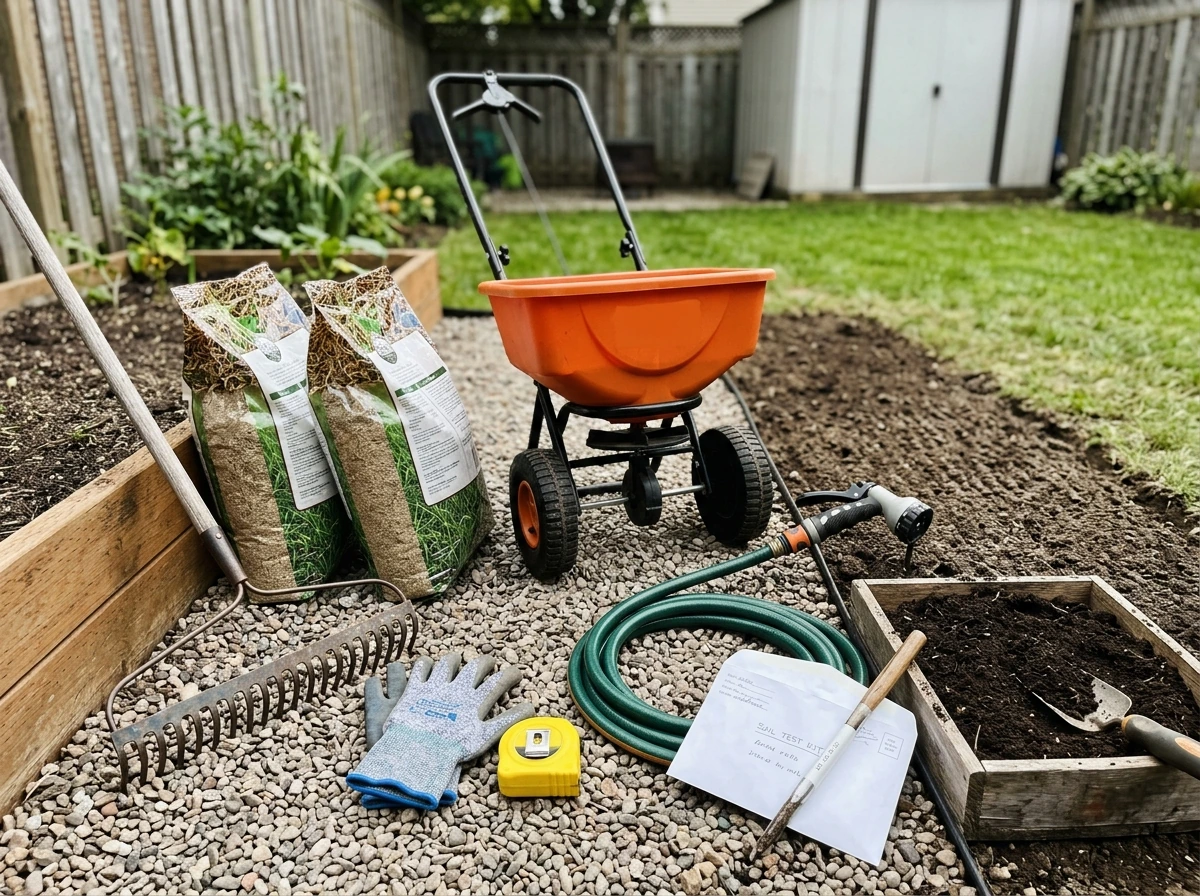
Growing great grass comes down to four things done right: picking the correct seed for your climate and conditions, preparing your soil before you plant, seeding at the right time of year, and then watering and mowing consistently through establishment. Miss any one of those and you end up with patchy, thin, or dead grass no matter how much effort you put in. This guide walks you through all four, with real numbers and troubleshooting for the scenarios that trip most homeowners up.
How to Grow Great Grass: Seed, Soil, Water, and Fixes
Marcus Tillwell
24 Mar 2026
Start with the basics: site, goals, and grass type
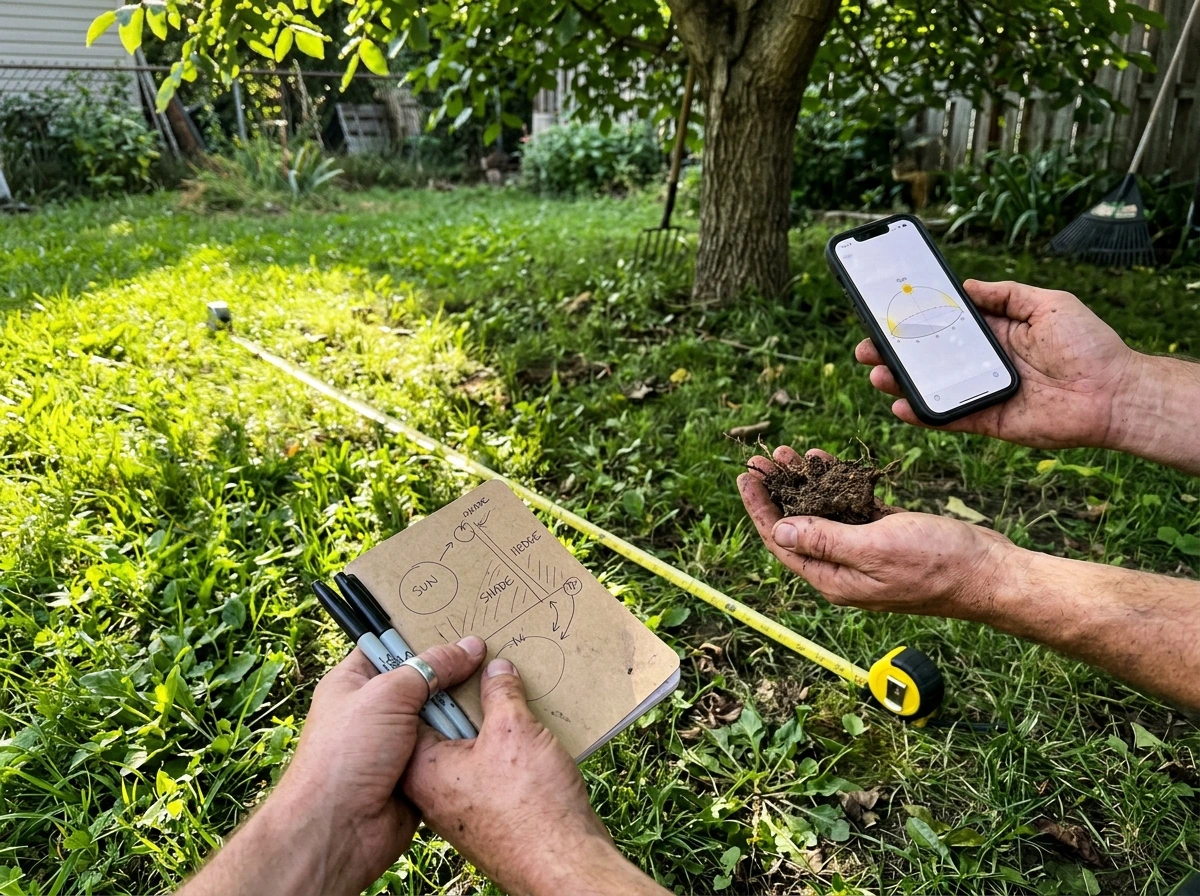
Before you buy a single bag of seed, spend ten minutes honestly looking at your yard. How much sun does the area get each day? Is the soil hard and compacted, or does it drain fast after rain? Do you have kids or dogs running on it constantly, or is it mostly ornamental? Are there bare spots you need to fix, or are you starting from scratch? The answers to these questions determine everything that comes after.
Broadly, grasses fall into two camps: cool-season types (tall fescue, Kentucky bluegrass, perennial ryegrass, fine fescues) that thrive in the northern half of the country with peak growth in spring and fall, and warm-season types (bermudagrass, zoysiagrass) that love heat and are the right call in the South. Plant a cool-season grass in Georgia heat or a bermudagrass in Minnesota and you're setting yourself up for failure regardless of how well you prep.
It also helps to get clear on what "great grass" means to you. A lawn that handles heavy foot traffic has different requirements than one you want looking dark green and manicured. A shaded backyard under mature trees needs a completely different seed than a sunny front yard. Getting specific about your goals now saves you from buying the wrong product and redoing the whole thing in a year.
Choose the right grass seed for your climate and conditions
Matching seed to your site conditions is the single highest-leverage decision you'll make. Here's a practical breakdown of the most common species and where each one belongs. how to grow grass evenly
Cool-season grasses
Tall fescue is the workhorse of the cool-season world. It establishes relatively quickly, tolerates some shade, handles drought better than most other cool-season options (it can stay green through most summer heat without constant irrigation), and does well in a wide range of soil types. If you're in a transition zone or somewhere with hot summers and you want a lawn that isn't completely brown by July, tall fescue is usually your best starting point. Mow it at 2 to 3 inches for best results.
Kentucky bluegrass is the choice if you want that rich, dark-green, dense look and you're willing to put in the maintenance. It needs full sun, doesn't tolerate shade well, and takes longer to establish than tall fescue or ryegrass. The payoff is a high-quality lawn with excellent mowing quality. If your yard is shaded or you want something lower maintenance, bluegrass will frustrate you.
Perennial ryegrass is the fastest germinator of the bunch, which makes it tempting for full-lawn seeding. But it's not ideal as a permanent solo lawn grass, and it has poor shade tolerance. It's best used for quick bare-spot repairs or as part of a blend with slower-establishing species like bluegrass. Using 100% perennial ryegrass for a whole lawn can leave you with a lawn that looks great fast but doesn't hold up long-term under wear or summer stress.
Fine fescues (creeping red, chewings, hard fescue) are your go-to for shaded areas or low-fertility soils where other grasses struggle. They won't thrive under heavy foot traffic, but in a lightly used shaded area under trees, they'll outperform everything else on this list.
Warm-season grasses
Bermudagrass is the dominant warm-season choice for full-sun lawns in the South and transition zones. It's wear-tolerant, spreads aggressively once established, and handles heat and drought well. The tradeoffs: it goes dormant and turns brown in cool weather, it requires more frequent mowing during the growing season, and it performs poorly in shade. Seed bermudagrass in late spring or early summer when soil temperatures are reliably warm.
Zoysiagrass is another warm-season option worth considering if you want better shade tolerance than bermuda offers, along with a denser, softer texture. It's slower to establish but very durable once it's in. Like bermuda, it goes dormant in winter and doesn't work in northern climates.
| Grass Type | Climate Zone | Sun Needs | Shade Tolerance | Wear Tolerance | Drought Tolerance | Establishment Speed |
|---|---|---|---|---|---|---|
| Tall Fescue | Cool/Transition | Full sun to partial shade | Moderate | Good | Good | Moderate-Fast |
| Kentucky Bluegrass | Cool | Full sun | Poor | Moderate | Moderate | Slow |
| Perennial Ryegrass | Cool | Full sun | Poor | Moderate | Moderate | Very Fast |
| Fine Fescue | Cool | Partial to full shade | Excellent | Low | Good | Moderate |
| Bermudagrass | Warm/Transition | Full sun | Poor | Very Good | Very Good | Moderate (from seed) |
| Zoysiagrass | Warm/Transition | Full sun to partial shade | Moderate | Very Good | Good | Slow |
One note on seed bags: a bag labeled "sun and shade mix" or "all-purpose lawn" is often a compromise that serves no single condition particularly well. If your yard is mostly shaded, buy a fine fescue blend. If it's full sun in the mid-Atlantic or Midwest, a tall fescue or bluegrass mix makes more sense. Read the label and look for the actual species listed.
Soil prep that actually works
This is the step most homeowners skip or rush, and it's usually why their lawn fails. Seed dropped onto hard, compacted, wrong-pH soil will either not germinate or will grow thin and struggle within its first summer. Good soil prep takes a weekend, costs very little, and dramatically changes your results.
Test your soil first
A basic soil test from your county extension office costs around $15 to $25 and tells you your pH, phosphorus, potassium, and often organic matter levels. That information tells you exactly what amendments you need instead of guessing. Don't skip this step. A soil test for lawns typically checks pH, phosphorus, potassium, and organic matter, and it gives you a fertilizer and amendment plan based on your actual soil, not a generic recommendation. [what do i need to grow grass](/home-lawn-solutions/what-do-i-need-to-grow-grass). what to use to grow grass
The target pH for turf is generally 6.0 to 7.0, with 6.0 to 6.5 being the sweet spot where all essential soil nutrients are most available to grass roots. If your pH is below 6.0, you need to add lime to raise it. If it's above 7.0, sulfur can bring it down. The amount of lime needed depends on your soil's lime requirement, which the soil test measures. Follow the test's recommendation precisely, and don't apply more lime per application than the test recommends.
Aerate compacted soil
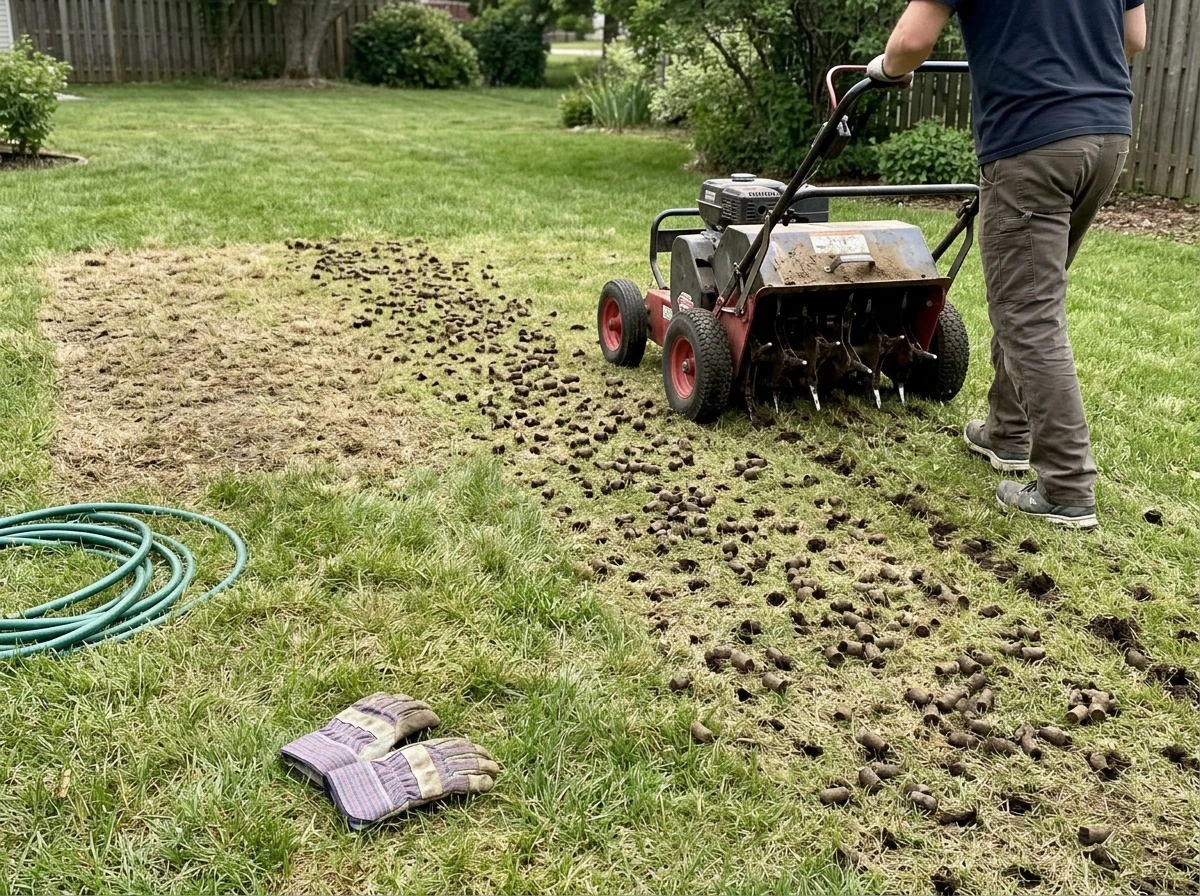
If your soil is compacted (common in clay-heavy yards or high-traffic areas), core aeration before seeding makes a significant difference. Renting a core aerator for a half-day and running it over the area loosens the soil, improves water infiltration, and creates small holes that give seed-to-soil contact. You can rent a walk-behind aerator from most home improvement or equipment rental stores for around $75 to $100 per day. For small areas or bare spots, a hand aerator works fine.
Amend based on your soil type
If your soil test shows low organic matter (common in clay and sandy soils alike), work a 1 to 2 inch layer of compost into the top 4 to 6 inches before seeding. For clay soil, this improves drainage and softens the structure. For sandy soil, it helps retain moisture so seeds don't dry out between waterings. Apply lime or sulfur based on your test results, not as a guess.
Grade and level the area
Check that the surface drains away from your house and doesn't have low spots where water pools. Standing water after rain will drown new seedlings. Fill low spots with a mix of topsoil and compost, rake smooth, and firm the surface lightly before seeding. You don't need it perfectly flat, just sloped enough to drain.
Timing and weather: when to seed and what conditions support germination
Seeding at the wrong time of year is one of the most common reasons lawns fail. The goal is to put seed in the ground when temperatures consistently support germination and when the grass has time to establish before facing stress (summer heat or winter cold).
For cool-season grasses (tall fescue, Kentucky bluegrass, perennial ryegrass, fine fescues), the best seeding windows are late summer to early fall, or spring. Fall is generally preferred because soil is still warm from summer (which drives germination), air temperatures are cooling down (which reduces seedling stress), and weed competition is lower. Spring works but gives you a shorter window before summer heat stresses young plants.
For warm-season grasses like bermudagrass, seed in late spring or early summer when soil temperatures are reliably above 65°F. Seeding too early in spring means seeds sit in cold soil and either rot or germinate weakly.
The optimum air temperature for germination of both tall fescue and perennial ryegrass is 68 to 86°F. At these temperatures, with consistently moist soil, most grasses germinate in about 5 to 10 days. Bermudagrass takes longer. Below or above this range, germination slows dramatically or stalls entirely. If you're seeding in spring, wait until nighttime temperatures are consistently above 50°F. If seeding in fall, seed early enough that you get at least 6 to 8 weeks of growing weather before the first hard frost.
Don't seed right before a prolonged dry or hot stretch. Check a 10-day forecast. You want moderate temperatures and ideally some natural rainfall in the forecast to reduce how much hand-watering you need to do in the first week.
Step-by-step seeding and establishment
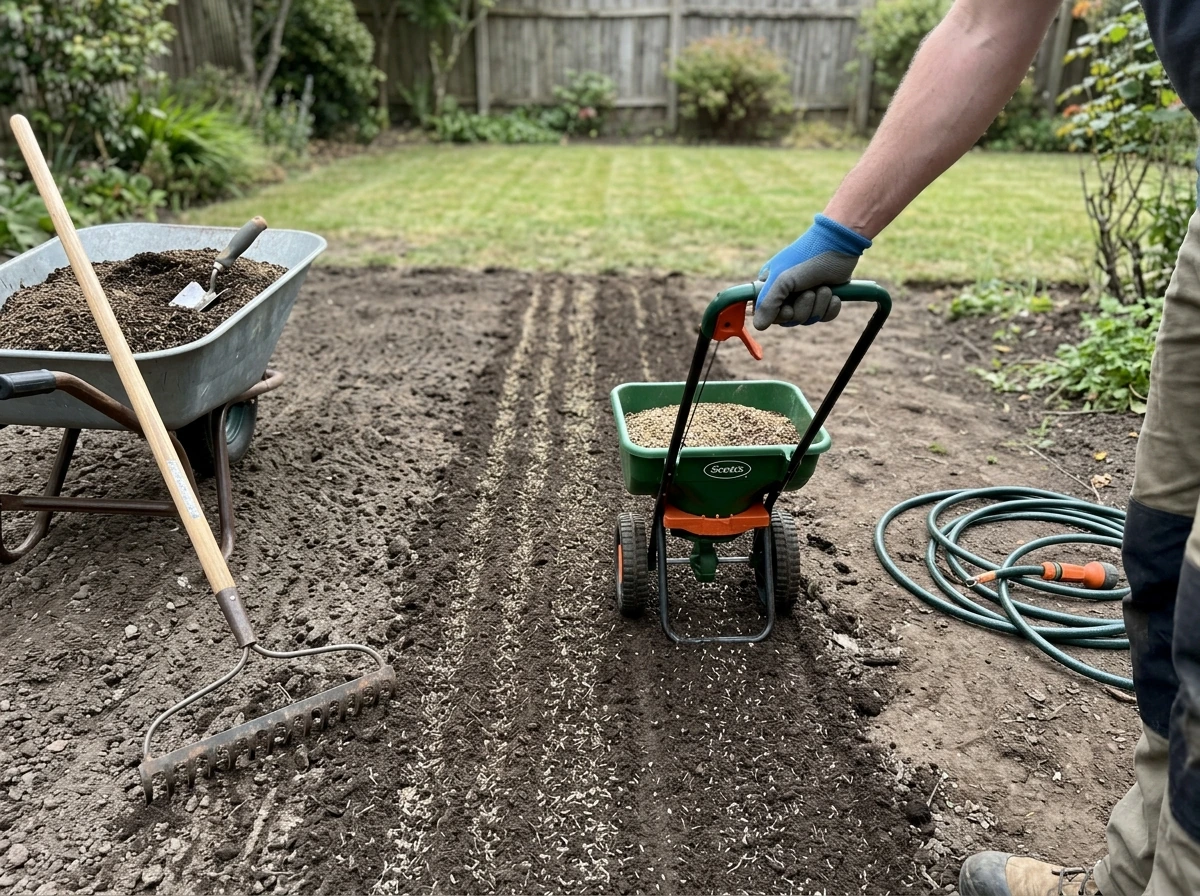
Once your soil is prepped and the timing is right, here's how to actually seed and get the lawn established, whether you're doing a full lawn or patching bare spots.
- Mow existing grass short (if overseeding) or rake bare areas clean of debris, dead grass, and rocks so seed makes direct contact with soil.
- Apply starter fertilizer according to your soil test results. If the test showed phosphorus is adequate, skip the phosphorus in the starter fertilizer.
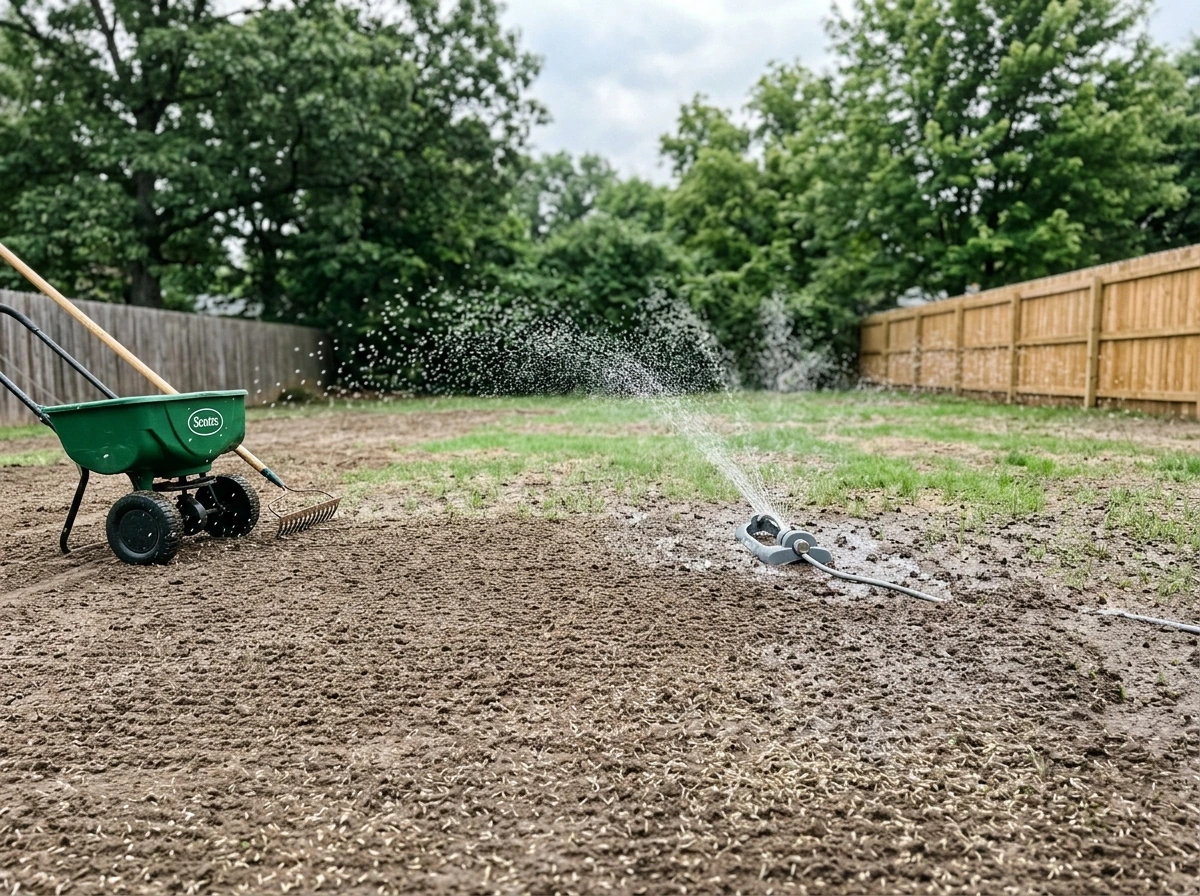
- Spread seed using a broadcast or drop spreader for large areas, or by hand for small bare spots. Apply at the rate recommended for your species, going in two passes at half the rate in perpendicular directions for even coverage.
- Rake seed lightly into the top 1/8 to 1/4 inch of soil. Seed that sits on top of hard soil without soil contact will dry out and fail.
- Apply a light mulch cover, such as straw or erosion control blanket, over the seeded area. This is especially important for slopes or dry climates. Straw helps retain moisture between waterings and reduces erosion. Use about one bale per 1,000 square feet, spread thin enough to see the soil underneath.
- Water immediately and then keep the top 0.5 to 1.0 inch of soil consistently moist until germination. That may mean watering two to three times per day in hot or windy weather, with each watering being light and brief (5 to 10 minutes).
- Keep traffic off the seeded area. Mark it with stakes and string if needed to keep people and pets away during the first 3 to 4 weeks.
Fixing bare spots specifically
For bare spots, the process is the same but scaled down. Scratch up the bare area with a garden rake to loosen the top inch of soil. If the spot is small (under a few square feet), perennial ryegrass is a fast-germinating option that gets something growing quickly. For larger areas or permanent repairs, match the seed to whatever surrounds the spot. Apply seed at slightly higher than the standard rate in bare areas (about 10 to 15% more), rake in, top-dress with a thin layer of compost or topsoil, water, and keep moist. Most small bare spots show visible germination within 7 to 14 days if conditions are right.
Watering, mowing, and weed and pest management
Watering during establishment
The first three to four weeks after seeding are entirely about keeping the seedbed moist without waterlogging it. The goal is to keep the top 1 to 2 inches of soil moist at all times so seeds can absorb water and begin germination. Light, frequent watering beats long, infrequent soaks at this stage. Water should infiltrate the soil, not run off the surface. If you see runoff, reduce the duration and increase the frequency.
Once seedlings reach about 1 to 2 inches tall and the lawn is starting to fill in, shift to less frequent but deeper watering: aim for about 1 inch of water per week total (rain plus irrigation), applied in two or three sessions rather than daily. This encourages roots to grow deeper into the soil instead of staying shallow.
First mow and mowing height
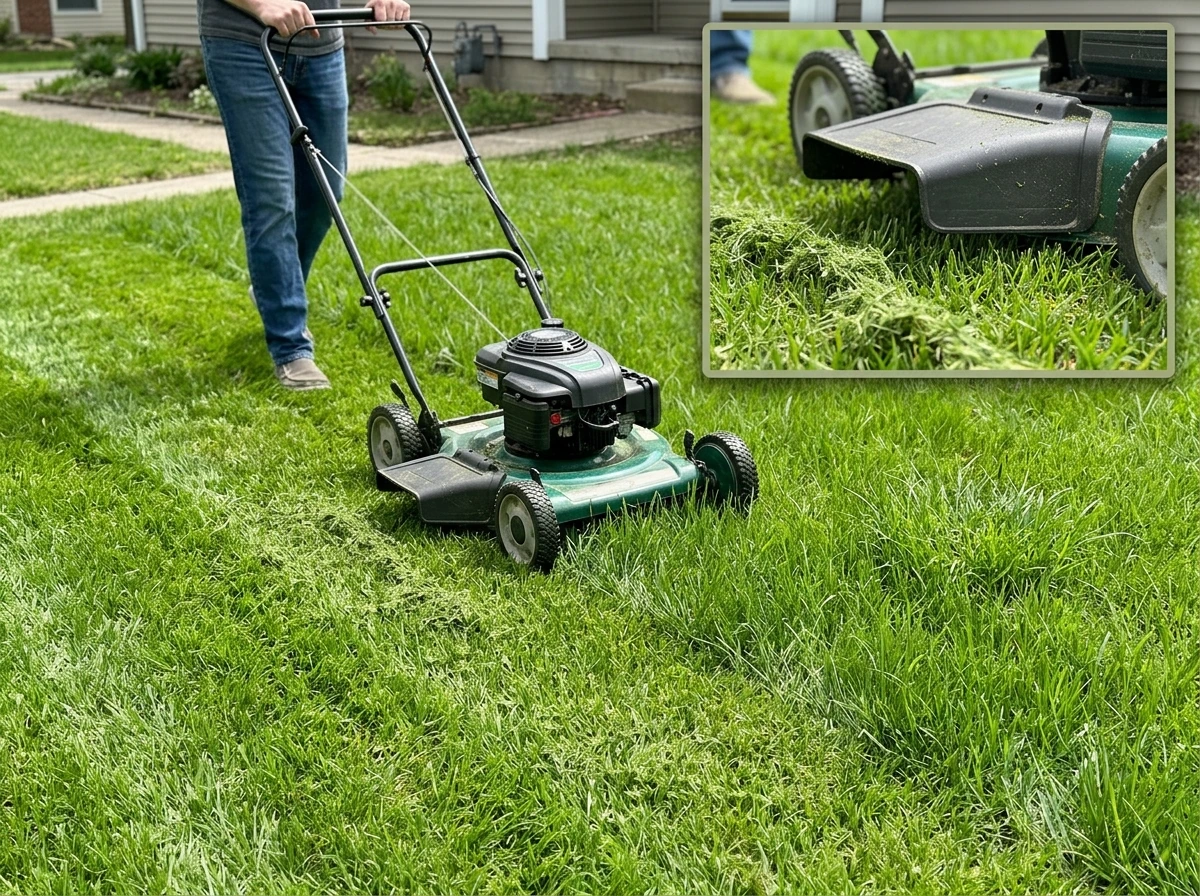
Wait until the new grass reaches about 3 to 4 inches before the first mow. Mowing too early pulls seedlings out of the ground before roots are established. When you do mow, set the blade high and never remove more than one-third of the blade height in a single mowing. For tall fescue, maintain a height of 2 to 3 inches. For bermudagrass, 1 to 1.5 inches is appropriate. For Kentucky bluegrass, 2.5 to 3.5 inches works well. Keep mower blades sharp so they cut cleanly instead of tearing young grass.
Weed control
Do not apply pre-emergent herbicides before or right after seeding. Pre-emergents prevent seed germination, including your grass seed. For new lawns, the best weed control strategy in the first season is a dense, healthy stand of grass that crowds weeds out on its own. Hand-pull obvious weeds when they appear. If broadleaf weeds are heavy, wait until the lawn has been mowed at least three times before applying any post-emergent herbicide, and always read the label to confirm it's safe for newly established turf.
Pest management
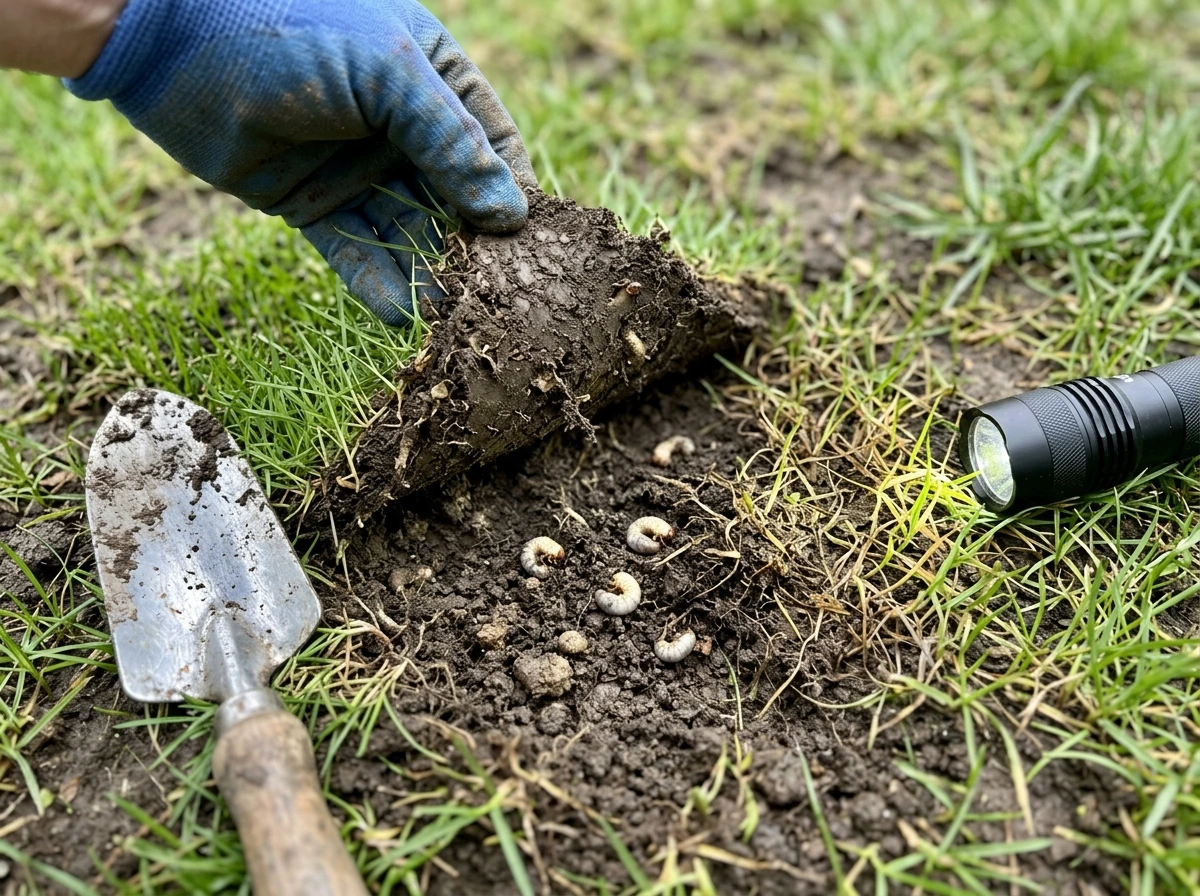
Grubs, armyworms, and other pests can damage new lawns quickly because shallow-rooted seedlings can't recover from feeding damage the way established grass can. Watch for brown patches that don't respond to watering, or areas where the turf lifts easily off the soil (a sign of grub feeding on roots). If you see consistent damage, identify the pest before treating. Treating for the wrong pest wastes money and can damage new turf.
Troubleshooting by scenario
Here's what to do when the standard approach isn't working in your specific situation.
Clay soil
Clay soil compacts easily, drains slowly, and can crust over after rain or watering, forming a surface barrier that prevents seedlings from pushing through. Before seeding in clay, core aerate and work in at least 2 inches of compost. Water carefully: clay holds moisture longer than other soils, so you're more likely to overwater and suffocate seeds than to underwater. If germination is patchy, check whether the soil has crusted over between waterings. Gently break up the surface crust with a light raking if needed, being careful not to disturb visible seedlings.
Sandy soil
Sandy soil drains so fast that seed dries out between waterings, which is one of the most common reasons new lawns fail on sandy ground. The fix is organic matter: work 2 to 3 inches of compost into the top 4 to 6 inches before seeding to increase water-holding capacity. During establishment, you'll need to water more frequently than you would on loam or clay because the moisture evaporates quickly. Straw mulch is especially important on sandy soils to help retain surface moisture. Once established, grasses on sandy soil tend to need more irrigation overall.
Shade areas
If you're trying to grow grass under trees or on the north side of a building, most grass species will struggle. Fine fescues (creeping red, hard, chewings) are your best option for moderate to deep shade. Even then, be realistic: fewer than 3 to 4 hours of direct sunlight per day makes it very hard to establish any turf long-term, especially under tree canopies that also compete for moisture and root space. For deep shade, ground covers or mulch beds are often a better long-term solution than continuing to reseed. When seeding shaded areas, raise your mowing height by half an inch compared to sunny areas, as taller blades capture more of the limited light available.
Pets and high-traffic areas
Dogs and high foot traffic are tough on new turf. Urine burns from dogs create distinct circular dead spots (green ring around a brown center) that need to be diluted with water immediately after the dog uses the area to reduce damage. For bare spots caused by pet traffic, use a durable, wear-tolerant grass like tall fescue or bermudagrass (depending on your region). Creating a designated path or potty area for pets, mulched or gravel-covered, and fencing off recently seeded areas until the grass is fully established (at least 4 to 6 weeks) dramatically improves success rates.
Poor germination or patchy results
If seed hasn't germinated after two to three weeks and temperatures were in the right range, the usual culprits are: seed dried out between waterings, seed was not in contact with soil (sat on thatch or mulch), soil temperature was too cold, seed was old or low-quality, or birds ate the seed. Investigate before reseeding. If watering was inconsistent, improve that first. If the seedbed had a thick thatch layer, dethatch before the next attempt. If birds are a problem, a light straw cover deters feeding while keeping moisture in.
Slow or weak growth after germination
Thin, pale, or slow-growing seedlings after germination usually point to nutrient deficiency (most often nitrogen), too little water, too much shade, or compacted soil that's limiting root development. Check whether you applied starter fertilizer at seeding. If not, a light application of a balanced fertilizer at the 3 to 4 week mark can help. If the soil feels hard underfoot and the grass just isn't filling in, aeration and a top-dressing of compost in the next growing season may be needed to get roots established properly.
Regional timing failures
In the upper Midwest and Northeast, seeding too late in fall (after mid-September in most of these regions) leaves grass with too little time to establish before winter. In the South, seeding warm-season grasses too early in spring (before soil temps reach 65°F) means seed sits and rots. In the transition zone, choosing the wrong grass type entirely (a warm-season grass that turns brown all winter, or a cool-season grass that fries in August) causes frustration every season. When in doubt, check your local cooperative extension service for region-specific seeding windows and species recommendations, as they're calibrated to your exact climate.
FAQ
How much seed should I buy to grow great grass (and avoid ending up thin)?
Use the label’s coverage rate, then add extra for your situation. For full lawns, buy close to label rate. For repairs, add 10 to 15% more, because bare spots lose seed to birds, poor contact, and runoff. If you have heavy thatch, go higher because seed-to-soil contact is reduced.
Can I overseed a lawn instead of starting from scratch to grow great grass?
Yes, overseeding works best when you already have living turf and only need density. For an overseed, mow low, then rake or lightly dethatch so seed contacts soil. You still need consistent moisture for the top 1 to 2 inches, and you should avoid pre-emergent herbicides for the same reason they can prevent your new seed from germinating.
Should I use a starter fertilizer at seeding, and how do I know what to apply?
If your soil test recommends nutrients, follow that plan. In general, use starter fertilizer sparingly at seeding, because excessive nitrogen can stress seedlings. If you did not test or did not apply starter, wait until seedlings are established (around 3 to 4 weeks) and then use a balanced fertilizer at a light rate rather than going heavy early.
Do I need to water more when it’s hot to grow great grass, or can I overwater?
Overwatering is a common failure mode, especially on clay soils. During the first 3 to 4 weeks, keep the top 1 to 2 inches moist, but watch for runoff and saturated soil. If water pools or you see puddling, reduce run time and increase frequency. For sandy soils, you may need more frequent watering, but you still want infiltration, not surface flooding.
What watering schedule actually works after seeding?
Aim for frequent, short watering to keep the surface layer moist, then shift to deeper, less frequent irrigation once seedlings reach about 1 to 2 inches. A practical target after establishment is about 1 inch of total water per week (rain plus irrigation) delivered in two or three sessions. If you see footprints or water running off, adjust to shorter cycles.
How can I tell if my seed is too old to grow great grass?
Older seed often germinates poorly even when temperatures and watering look right. Check the bag’s packed date if listed, and if you’ve stored seed in a damp garage or shed, germination can drop dramatically. If you get weak or no germination after two to three weeks under correct conditions, replacing seed usually beats repeated resheding without fixing contact and moisture issues.
What’s the safest way to fix patchy germination without making it worse?
Wait, verify conditions, then patch intelligently. If germination is thin, check whether seed was covered enough to reach soil contact, and whether the top layer crusted or dried between waterings. For patching, lightly scratch the surface, match the seed type to what you’re trying to establish, add 10 to 15% extra seed, and keep the bed consistently moist for the first week and a half.
How do I grow great grass if I have a thick thatch layer?
Thick thatch blocks seed from contacting soil and can also trap moisture, leading to uneven germination. If you see a spongy layer, dethatch or core-aerate before seeding. After that, rake to expose soil, then seed so at least a portion of the seed is in contact with the surface soil rather than sitting on dead plant material.
Can I seed over existing grass to grow great grass, and what should I do to prepare the surface?
You can, but success depends on competition and contact. Mow existing grass short, remove any heavy thatch, and ensure the seed can settle into soil rather than resting on clippings. Lightly rake after seeding to improve contact, then keep the surface moist during germination.
Why are my seedlings pale or growing slowly after germination?
Pale, slow seedlings often come from nutrient shortage (especially nitrogen), too little light, or compacted soil limiting root growth. Confirm you applied a starter fertilizer if your soil test suggested it. If the soil is hard, plan for core aeration and a compost top-dress later, because waiting for the root system to improve is usually more effective than repeated shallow watering or reseeding immediately.
When is it safe to mow after seeding to avoid killing new grass?
Mow only after seedlings reach about 3 to 4 inches tall. Raise the mower height and remove no more than one-third of the blade height in a single mowing. If you mow earlier, you can uproot seedlings before roots establish, which turns a smooth establishment into repeated bare patches.
When can I apply herbicides to grow great grass without harming new turf?
Avoid pre-emergent herbicides before or right after seeding because they can stop your grass seed from germinating. For post-emergent herbicides, wait until the lawn has been mowed at least three times and the turf is actively growing. Always confirm label compatibility with newly established turf and your grass species.
How long should I keep fencing or restricting traffic after seeding?
Plan on at least 4 to 6 weeks before allowing normal traffic, because seedlings can still be shallow-rooted during that period. For pets and high-impact foot traffic, restrict access longer if you see slow thickening, because repeated pressure can undo root establishment even when the lawn looks green above ground.
What’s the best way to deal with dog urine spots while I’m trying to grow great grass?
Act immediately. When urine burns happen, the damaged area needs quick dilution with water soon after the dog uses the spot to reduce the severity. If you already have dead circles, reseed only after the area is prepped and you remove any dead thatch or debris so new seed touches soil.
My seed still hasn’t germinated, what should I check before reseeding?
If it’s been two to three weeks and conditions were within the right temperature range, check consistency of moisture (seed dried out), seed-to-soil contact (seed sat on thatch or mulch), seed quality/age, and birds. Also verify you didn’t apply pre-emergent herbicide nearby, because that can prevent germination even if watering is perfect.
Next Article
What Do I Need to Grow Grass? Beginner Lawn Checklist
Beginner checklist for growing grass: seed, soil prep, planting steps, watering schedule, and fixes for bare, thin lawns